
Can dogs survive parvovirus? The answer is: Yes, with proper treatment, most dogs can survive parvovirus! I've seen countless pups bounce back from this nasty virus when they get timely medical care. While parvovirus is serious - causing severe vomiting, bloody diarrhea, and dehydration - the survival rate with treatment is actually pretty good (68-95% depending on age). The key is catching it early and getting your dog to the vet immediately. Here's something important many folks don't realize: parvovirus survivors often make the most grateful, loving pets. These miracle dogs seem to know they've been given a second chance at life. In this guide, I'll walk you through everything you need to know about parvovirus - from symptoms to treatment to adopting a survivor. Trust me, by the end you'll see why these special dogs are worth every bit of effort!
E.g. :Why Does My Dog Lick Everything? 7 Surprising Reasons Explained
- 1、What Exactly Is Parvovirus in Dogs?
- 2、How Shelters Handle Parvo Cases
- 3、Bringing Home Your Parvo Survivor
- 4、Long-Term Care for Your Miracle Dog
- 5、Why Adopting a Parvo Survivor Rocks
- 6、Parvo FAQ - Straight Answers
- 7、Beyond the Basics: What Most People Don't Know About Parvo
- 8、The Emotional Side of Parvo Recovery
- 9、Creative Ways to Protect Your Pup
- 10、When Parvo Hits Close to Home
- 11、The Future of Parvo Prevention
- 12、FAQs
What Exactly Is Parvovirus in Dogs?
The Scary Truth About This Virus
Let me tell you straight - parvovirus is no joke. It's like the flu on steroids for dogs, especially puppies. Imagine your poor pup dealing with bloody diarrhea, non-stop vomiting, and feeling so weak they can't even lift their head. That's what we're talking about here.
Now here's something interesting: Did you know that parvovirus can survive in your backyard for up to a year? That's why vaccination is so crucial! While any unvaccinated dog can get it, puppies under 4 months are most at risk because their immune systems are still developing. I've seen too many cases where well-meaning owners didn't realize how serious this could be until it was almost too late.
Who's Most at Risk?
Let me break it down for you:
| Dog Age | Risk Level | Survival Rate With Treatment |
|---|---|---|
| Under 4 months | Very High | 68-92% |
| 4-12 months | High | 75-90% |
| Adult (unvaccinated) | Moderate | 80-95% |
See those numbers? That's why we need to take this seriously. But here's the good news - with proper care, most dogs pull through!
How Shelters Handle Parvo Cases
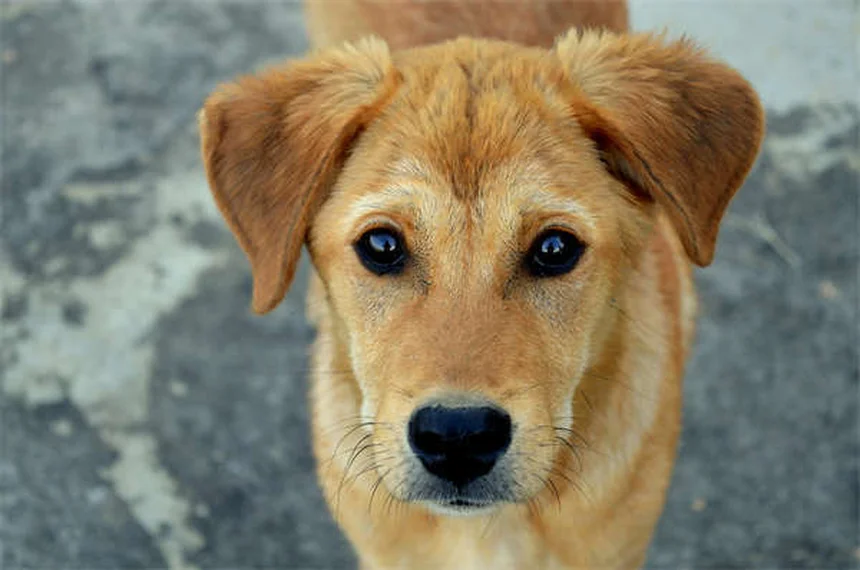 Photos provided by pixabay
The Standard Shelter Protocol
When I visit shelters, here's what typically happens: every incoming dog gets vaccinated immediately as a precaution. They don't test every single dog - that would be crazy expensive! But the moment a dog shows symptoms (like that telltale bloody stool), boom - straight to isolation.
The treatment plan is intense but effective:
- IV fluids to prevent dehydration
- Antibiotics to fight secondary infections
- Anti-nausea meds to stop the vomiting
- Sometimes even blood transfusions for severe cases
When Can Parvo Dogs Be Adopted?
Here's a question I get all the time: "Can I adopt a dog that had parvo?" Absolutely! But only after they've fully recovered and tested negative. The shelter staff will give you all the details about their treatment history.
Fun fact: Many shelter workers call parvo survivors "miracle dogs" because of what they've overcome. These pups often make incredibly grateful and loving pets!
Bringing Home Your Parvo Survivor
Questions You MUST Ask
Before you sign those adoption papers, grill the shelter staff like you're on Law & Order:
- What medications is Fluffy currently taking?
- Are there any follow-up vet visits needed?
- What special diet should we use during recovery?
- What warning signs should I watch for?
Pro tip: Ask if you can get copies of all medical records. Your regular vet will thank you later!
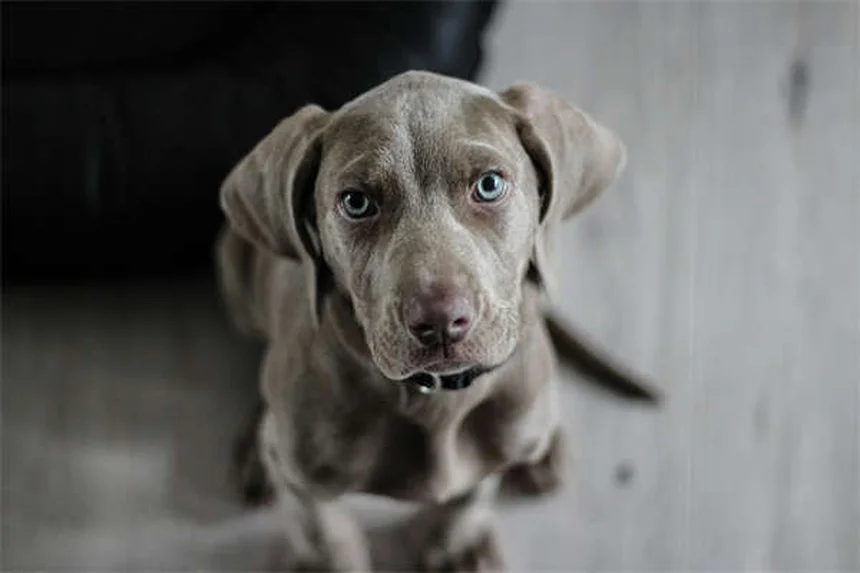 Photos provided by pixabay
The Standard Shelter Protocol
Picture this: You've got your new buddy home, tail wagging weakly but happily. Now what? Go slow - their digestive system is still healing. Stick to the bland diet the shelter recommends (usually boiled chicken and rice) and resist those puppy dog eyes begging for treats!
Expect some soft stool for a few days - that's normal. But if you see blood or your pup stops eating? Call your vet immediately. Better safe than sorry!
Long-Term Care for Your Miracle Dog
Vaccination Is Key
Here's something that might surprise you: Can a dog get parvo twice? Nope! Once they've had it or completed their vaccination series, they're protected. But you still need to keep up with boosters for other diseases.
If you have other pets, make sure they're vaccinated too. Parvo is like that annoying houseguest who won't leave - it can linger in your environment for months!
Potential Long-Term Effects
Most parvo survivors live perfectly normal lives, but some might have sensitive stomachs. Think of it like how some people get stomachaches more easily after food poisoning. A high-quality diet and maybe some probiotics can work wonders.
Watch for these signs that might need vet attention:
- Frequent diarrhea
- Unexplained weight loss
- Lack of energy
Why Adopting a Parvo Survivor Rocks
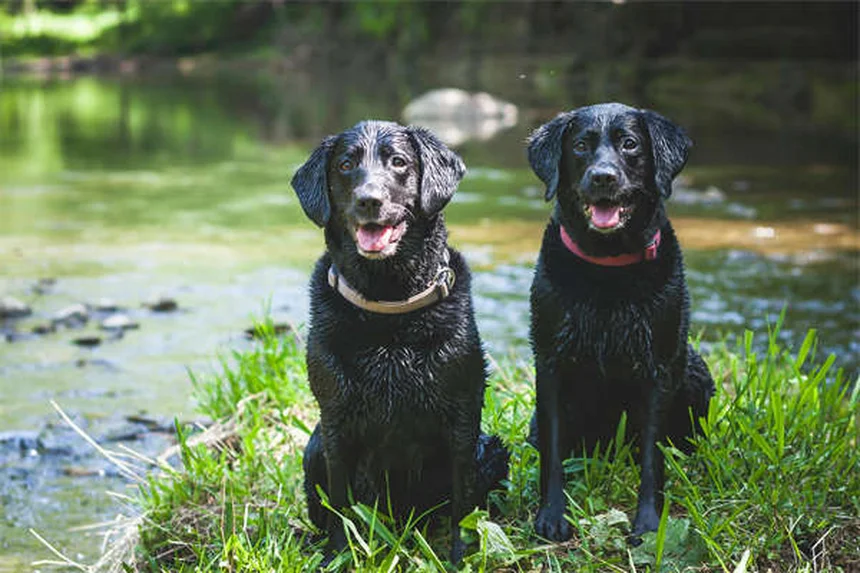 Photos provided by pixabay
The Standard Shelter Protocol
These dogs have been through hell and back. When they recover, they often have this incredible zest for life. I've never met a parvo survivor who wasn't extra affectionate - it's like they know you gave them a second chance!
You're Saving Two Lives
Here's the math: When you adopt a parvo survivor, you're not just saving that dog. You're freeing up space and resources for the shelter to help another sick animal. That's double the warm fuzzies!
So if you're considering adoption, don't let "had parvo" scare you off. These special dogs have so much love to give, and they'll repay your kindness a thousand times over.
Parvo FAQ - Straight Answers
What's the Recovery Timeline Like?
From infection to full recovery usually takes 2-4 weeks. The worst symptoms typically last about 5-7 days with proper treatment. But full immune system recovery can take a couple months - that's why follow-up care is so important!
How Do I Disinfect My Home?
Bleach is your best friend here! Mix 1 part bleach with 30 parts water to kill the virus. Wash all bedding, toys, and bowls in hot water. For carpets and upholstery, steam cleaning works best.
Remember: This virus is tough, but you're tougher! With proper precautions, you can create a safe home for your new furry family member.
Beyond the Basics: What Most People Don't Know About Parvo
The Hidden Dangers in Your Neighborhood
You might think your dog is safe just staying in your yard, but here's something that'll make you think twice - wild animals can carry parvovirus too! Foxes, coyotes, even raccoons can spread this nasty bug. I once met a family whose puppy got sick after sniffing around where a fox had been.
And get this - the virus can hitch a ride on your shoes! That's right, you could literally bring parvo home from the dog park without realizing it. Makes you want to scrub those sneakers extra hard, doesn't it?
Why Some Breeds Are More Vulnerable
Ever wonder why some dogs seem to get hit harder than others? Turns out certain breeds have genetic factors that make them more susceptible. Check out these surprising stats:
| Breed | Relative Risk | Common Symptoms |
|---|---|---|
| Rottweilers | 3x Higher | Severe vomiting, rapid dehydration |
| Doberman Pinschers | 2.5x Higher | Bloody diarrhea, lethargy |
| American Pit Bull Terriers | 2x Higher | Fever, loss of appetite |
But here's the silver lining - knowing this helps us protect these pups better with extra vigilance and early vaccination!
The Emotional Side of Parvo Recovery
Helping Your Dog Regain Confidence
After surviving parvo, some dogs develop what I call "hospital shyness." They might flinch when you reach to pet them or hide during mealtimes. Does this mean they'll always be scared? Not at all! With patience and positive reinforcement, they bounce back beautifully.
Try this trick that worked wonders for my neighbor's pup: hand-feeding small treats while speaking softly. It rebuilds trust while monitoring their appetite. Within a week, their scaredy-cat German Shepherd was back to his goofy, food-loving self!
When to Seek Behavioral Help
While most dogs recover emotionally, some need extra help. Watch for these red flags that might mean professional intervention:
- Refusing to eat for more than 2 days after physical recovery
- Excessive trembling when approached
- Uncharacteristic aggression around food or toys
Remember, there's no shame in asking for help - these pups have been through trauma, and sometimes they need a behaviorist just like humans need therapists!
Creative Ways to Protect Your Pup
Parvo Prevention Beyond Vaccines
While vaccines are #1, here are some outside-the-box ideas I've seen smart dog owners use:
- Designated "Puppy Shoes" - Keep a pair just for your yard
- Portable Water Bowls - Avoid public water stations
- Socialization Workarounds - Puppy classes with vaccinated dogs only
One creative owner I know made a "puppy passport" documenting all vaccines and vet visits - great for peace of mind when boarding or traveling!
Building Natural Immunity
Here's something your vet might not mention - supporting your dog's gut health can provide extra protection. After the vaccination series, consider:
- Probiotic supplements (ask your vet for recommendations)
- Bone broth for gut healing
- Limited ingredient diets to reduce stress on the immune system
Think of it like eating your vegetables after getting a flu shot - the vaccine does the heavy lifting, but healthy habits give you an extra edge!
When Parvo Hits Close to Home
Supporting Others Through Outbreaks
When my friend's dog got parvo, the whole neighborhood rallied. We set up a meal train (for the humans!), shared vet updates, and even took turns doing laundry for all the soiled blankets. Why go to all this trouble? Because community support makes tough situations bearable.
Here's a pro tip: Create a shared online document where people can sign up for specific help needs - it keeps everyone organized and prevents duplicate efforts!
Learning From Near-Misses
Not every exposure leads to infection. I've seen cases where early intervention with IV fluids and antibodies prevented full-blown illness. The key is knowing the warning signs and acting fast - sometimes just hours make the difference between mild symptoms and hospitalization.
Keep your vet's emergency number handy, and trust your gut - if something seems off with your pup, it's always better to call than wait!
The Future of Parvo Prevention
Exciting Research on the Horizon
Scientists are working on some game-changing developments that could revolutionize how we handle parvo:
- Oral vaccines that don't require injections
- Environmental cleaners that neutralize the virus for months
- Genetic testing to identify high-risk puppies earlier
One researcher told me they're even exploring "parvo patches" that could deliver vaccines painlessly - imagine that for your next puppy!
How You Can Help Advance the Cause
Want to be part of the solution? Here are simple ways to contribute:
- Participate in vaccine studies at veterinary schools
- Share your dog's recovery story to raise awareness
- Donate old towels and blankets to shelters treating parvo cases
Every little bit helps in the fight against this preventable disease. Together, we can create a future where no puppy has to suffer from parvo!
E.g. :What to Know: Adopting a Dog After Parvovirus | PetMD
FAQs
Q: How long does it take for a dog to recover from parvovirus?
A: Recovery time varies, but here's what I've seen in my experience: Most dogs start showing improvement within 3-5 days of treatment, but full recovery typically takes 2-4 weeks. The first week is usually the toughest, with intensive IV fluids and medications needed. By week two, most pups are eating again and regaining energy. However, their immune system may take a couple months to fully bounce back. That's why we recommend keeping them away from dog parks and unvaccinated pets during this time. Remember, every dog is different - some bounce back faster than others!
Q: Can vaccinated dogs get parvovirus?
A: It's extremely rare, but not impossible. The parvovirus vaccine is highly effective (about 99% when properly administered), but no vaccine offers 100% protection. I always tell my clients that while breakthrough cases can happen, they're usually much milder than in unvaccinated dogs. The real danger is for puppies who haven't completed their vaccine series - that's when they're most vulnerable. That's why we're so strict about keeping puppies away from public areas until they're fully vaccinated!
Q: How do I clean my house after a dog has parvovirus?
A: Disinfection is crucial because this virus can survive in your environment for up to a year! Here's my go-to cleaning routine: First, wash all bedding, toys, and bowls in hot water with bleach (1 part bleach to 30 parts water). For hard surfaces, use the same bleach solution. For carpets and upholstery, steam cleaning is your best bet. Don't forget about your yard too - the virus can live in soil. While complete elimination is tough, thorough cleaning significantly reduces risk. I recommend waiting at least 6 months before bringing home any unvaccinated pets.
Q: Are there long-term effects after surviving parvovirus?
A: Most parvo survivors live completely normal lives, but some may have sensitive stomachs long-term. In my practice, I've noticed about 20% of survivors tend to get diarrhea more easily or need special diets. One study even found they might be more prone to chronic GI issues. But here's the good news - with proper care like high-quality food and possibly probiotics, these dogs can still thrive. The important thing is monitoring for weight loss, frequent vomiting, or lethargy and seeing your vet if these occur.
Q: Why should I consider adopting a parvo survivor?
A: Let me give you three great reasons: First, you're saving a life that might otherwise be overlooked. Second, these dogs often have incredible resilience and gratitude - they seem to know they've been given a second chance. And third, by adopting a parvo survivor, you're freeing up shelter resources to help another sick animal. It's a win-win-win! I've adopted several parvo survivors myself, and I can tell you - their capacity for love after what they've been through is truly amazing.