
Should your dog get elective surgery? The answer is: it depends on your pet's specific needs and quality of life. Unlike emergency procedures (like when that poor Eskimo dog got hit by a logging truck), elective surgeries give you time to weigh the pros and cons. We're talking about everything from routine spay/neuter operations to removing those weird fatty lumps that keep growing. The key is understanding when surgery actually helps your dog versus when it's just unnecessary stress. I've seen countless cases where timely elective procedures transformed a dog's life - like the Labrador who went from limping to running after ACL surgery. But we've also helped owners decide when not to operate. Here's what you need to know to make the best choice for your furry friend.
E.g. :6 Vet-Approved Holiday Gifts Your Pet Will Actually Love
- 1、That Saturday Morning Call That Changed Everything
- 2、The Great Debate: To Cut or Not to Cut?
- 3、Timing Is Everything
- 4、Making the Right Call for Your Pup
- 5、Beyond the Operating Room: What Happens After Surgery?
- 6、The Financial Side: Budgeting for Furry Emergencies
- 7、Prevention: The Best Medicine Nobody Talks About
- 8、When Second Opinions Make Sense
- 9、The Emotional Side of Surgical Decisions
- 10、FAQs
That Saturday Morning Call That Changed Everything
When Emergencies Strike
Picture this - it's Saturday morning, we're wrapping up appointments, dreaming about weekend hikes when BAM! The phone rings. An American Eskimo dog just got hit by - wait for it - a logging truck! Talk about bad luck.
We scrambled to set up emergency equipment faster than a chef prepping for dinner rush. X-rays showed a broken pelvis, fractured femur, and internal injuries. This poor pup needed surgery immediately - we're talking life-or-death situation here. After hours of delicate work (including fixing a ruptured bladder), our furry patient pulled through beautifully.
Elective vs. Emergency: What's the Difference?
Now here's where it gets interesting. That logging truck case? Emergency surgery - no question. But what about procedures where you actually have time to think? That's where elective surgery comes in.
Think of it like choosing between fixing a burst pipe (emergency) versus remodeling your kitchen (elective). Both involve plumbing work, but one can't wait while the other gives you options. For dogs, common elective procedures include:
| Procedure | Purpose | Considerations |
|---|---|---|
| Spay/Neuter | Population control, health benefits | Timing affects recovery |
| Lipoma Removal | Prevent excessive growth | Size monitoring crucial |
| Dental Cleaning | Preventative care | Anesthesia risks |
The Great Debate: To Cut or Not to Cut?
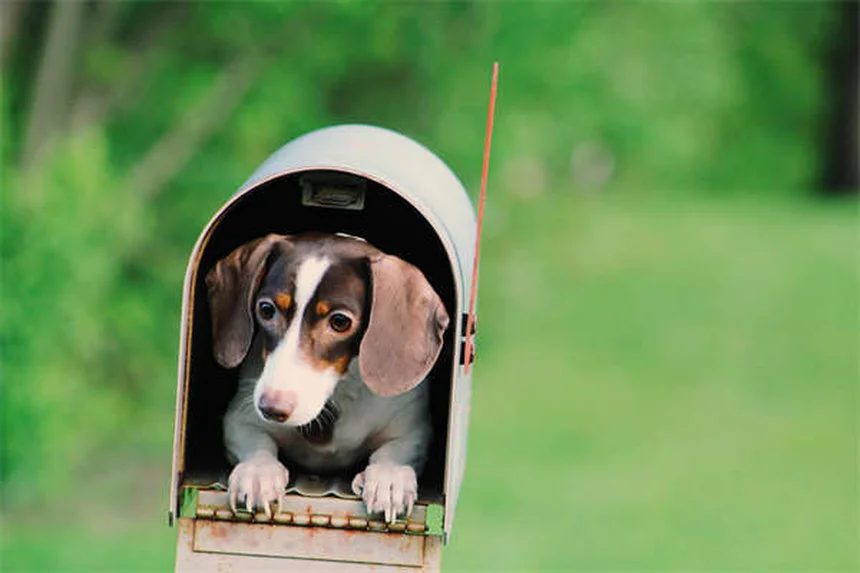 Photos provided by pixabay
Cosmetic vs. Health-Improving Procedures
Let's get real - some elective surgeries are about looks, plain and simple. Ear cropping? Mostly cosmetic. But here's the kicker - many procedures fall in a gray area where they're not life-saving but can seriously boost your dog's quality of life.
Take lipomas (those fatty lumps). Some grow to the size of baseballs if left alone! But here's the million-dollar question: "How do we know which ones to remove?" Even benign growths can become problematic if they keep expanding like balloons at a birthday party.
The Risk-Benefit Tango
Every surgery involves some risk - that's just reality. But modern vet medicine has gotten incredibly good at minimizing dangers. Pre-anesthetic blood work? Non-negotiable. It's like checking your car's oil before a road trip - basic but essential.
Dr. Rhonda Schulman puts it perfectly: "Surgery day shouldn't be surprise party day for health issues." We always discuss the risk-benefit balance with owners because - let's face it - you're the one signing the consent forms!
Timing Is Everything
The Early Bird Gets the Worm
When it comes to certain conditions, procrastination is your enemy. ACL tears? The sooner we fix them, the better the outcome. It's like patching a small roof leak before your living room becomes an indoor pool.
Dr. Michael Bauer explains: "With ACL repairs, we're working with the existing joint. Let arthritis set in, and our job gets way harder." But hip replacements? Different story. Since we're replacing the whole joint, timing becomes more about your dog's comfort level than urgency.
 Photos provided by pixabay
Cosmetic vs. Health-Improving Procedures
Here's a question to chew on: "Is my dog's daily happiness taking a hit?" If that answer is yes, elective surgery might be worth serious consideration. A dog with chronic hip pain might transform after replacement surgery - going from "ouch" to "zoomies" in recovery time!
But let's not sugarcoat it - these procedures aren't cheap. You've got to weigh costs against potential benefits. Think of it like investing in your dog's future comfort and mobility.
Making the Right Call for Your Pup
Questions to Ask Yourself
Facing an elective surgery decision? Here's your cheat sheet:
- Is the problem affecting daily activities?
- Will waiting make treatment harder later?
- Can we manage symptoms without surgery?
- What's the recovery process like?
Trust Your Gut (But Get the Facts First)
At the end of the day, you know your dog best. That said, information is power. Get all the details from your vet, ask about alternatives, and don't be shy about second opinions.
Remember our logging truck patient? Easy call. But for elective procedures, the decision requires careful thought. Whether it's spaying, removing a suspicious lump, or addressing dental issues, you'll sleep better knowing you made an informed choice for your furry family member.
And hey - if all else fails, picture your dog's face when they're feeling better. That happy tail wag? Priceless.
Beyond the Operating Room: What Happens After Surgery?
 Photos provided by pixabay
Cosmetic vs. Health-Improving Procedures
You think the hard part's over after surgery? Think again! The real work begins when you bring your pup home. Post-op care can make or break the entire process. Ever tried keeping a Labrador from running for six weeks? It's like telling a kid not to touch freshly baked cookies!
We've seen it all - from dogs who act like nothing happened (dangerous!) to those who milk their recovery for extra treats (smart!). The key is finding that sweet spot between rest and gentle movement. Too much activity? You risk reopening wounds. Too little? Muscles atrophy faster than ice cream melts in July.
Pain Management: More Than Just Pills
Here's something most folks don't consider - pain looks different in dogs. While we've got great medications, true comfort comes from a multi-pronged approach. Cold laser therapy? Works wonders for inflammation. Soft orthopedic beds? Worth their weight in gold.
And get this - simple things like massage and passive range-of-motion exercises can speed recovery by 30%! It's like giving your dog a spa day with medical benefits. Just avoid the cucumber eye treatments - dogs prefer belly rubs.
The Financial Side: Budgeting for Furry Emergencies
Insurance vs. Savings Account Smackdown
Let's talk dollars and sense. Pet insurance sounds great until you're comparing fifty different plans. Here's a quick comparison to cut through the confusion:
| Option | Pros | Cons |
|---|---|---|
| Pet Insurance | Covers unexpected emergencies, some wellness | Monthly premiums, claim paperwork |
| Savings Account | No restrictions, earns interest | Requires discipline, may not cover catastrophes |
| Care Credit | Interest-free periods, immediate funds | High APR if not paid timely |
Personally, I recommend a combo approach - insurance for the "oh crap" moments and savings for routine care. Because let's be real, dogs have a knack for timing their emergencies right after you've booked a vacation.
Negotiating Vet Bills Without Awkwardness
Here's a little secret - most clinics have some flexibility. The trick is asking the right way. Instead of "Can you make this cheaper?" try "What payment options do you offer?" Many places have:
- Staged payment plans
- Discounts for upfront cash payments
- Charity funds for extreme cases
Remember that logging truck dog? His owners worked out a six-month payment plan that didn't break their budget. The key is communication - we're not mind readers (though we do speak fluent "dog").
Prevention: The Best Medicine Nobody Talks About
Small Habits That Prevent Big Problems
Want to avoid surgery altogether? Start with these simple daily habits:
Brushing your dog's teeth might seem silly until you see the $1,200 dental bill it prevents. And those monthly joint supplements? They're like retirement accounts for your dog's hips - the earlier you start, the better the payoff.
Here's a fun fact: Dogs who maintain ideal weight have 75% fewer orthopedic issues. That's right - skipping those extra treats could mean skipping knee surgery later. Though good luck explaining that to those puppy-dog eyes!
The Power of Regular Check-Ups
You know how your car needs oil changes? Dogs need tune-ups too. Catching problems early often means simpler (and cheaper) solutions. That weird lump you noticed? Could be nothing... or could be something we can easily remove now before it becomes complicated.
Our record? Finding a tiny tumor during a routine dental cleaning that would've caused major issues six months later. The owner called it "the most expensive teeth cleaning that saved thousands." Perspective is everything!
When Second Opinions Make Sense
Trust But Verify
Here's something controversial - good vets actually encourage second opinions for major procedures. Why? Because medicine isn't black and white. One vet might recommend immediate surgery while another suggests physical therapy first.
I'll never forget the Great Dane whose first vet said "hip replacement ASAP." We recommended weight management and supplements first. Two years later? Still surgery-free and chasing squirrels like a puppy. Different approaches, same happy ending.
How to Get a Useful Second Opinion
Simply showing up with medical records isn't enough. Come prepared with:
- Specific questions about treatment options
- Your dog's daily routine and limitations
- Your personal concerns and financial parameters
The best second opinions aren't about finding someone to agree with you - they're about understanding all your options. And hey, if both vets say the same thing? That's valuable confirmation!
The Emotional Side of Surgical Decisions
Guilt, Fear, and Everything In Between
Let's address the elephant in the room - making medical decisions for creatures who can't talk is terrifying. What if you make the wrong call? What if the anesthesia goes bad? These fears are normal, but don't let them paralyze you.
Here's a comforting stat: Modern veterinary anesthesia has a 99.85% survival rate. You're more likely to get struck by lightning than have an anesthesia-related loss. Still scary? Absolutely. But perspective helps.
Celebrating the Wins
For every horror story you've heard, there are a hundred success stories nobody talks about. Like the three-legged terrier who runs faster now than before his amputation. Or the senior Lab who got a new lease on life after knee surgery.
The bottom line? Veterinary medicine has come incredibly far. What was risky twenty years ago is now routine. So take a deep breath - you've got this. And if you need to ugly-cry in the parking lot afterward? We've all been there.
E.g. :What are the Pros and Cons of Plastic Surgery - Erick Sanchez ...
FAQs
Q: What's the difference between emergency and elective dog surgery?
A: Emergency surgery is like putting out a fire - it's happening right now to save your dog's life (think car accidents or sudden internal bleeding). Elective surgery is more like home remodeling - you plan it in advance to improve quality of life. Common elective procedures include spay/neuter, dental cleanings, and removing benign growths. The big difference? With elective surgeries, you actually get to discuss options with your vet and make an informed decision rather than panicking in an emergency situation.
Q: How do I know if my dog really needs elective surgery?
A: Ask yourself these three questions: First, is the problem affecting daily activities like eating, playing or walking? Second, will waiting make treatment harder later? (ACL tears get worse with time). Third, can we manage symptoms without surgery? Your vet will help evaluate factors like pain levels, growth rates of lumps, and long-term consequences. Remember - just because surgery is an option doesn't always mean it's the best option for your particular dog.
Q: Are elective surgeries risky for older dogs?
A: Modern veterinary medicine has made anesthesia much safer, even for senior pups. The secret sauce? Pre-surgical blood work that catches hidden health issues, plus advanced monitoring equipment during procedures. While no surgery is 100% risk-free, we've successfully performed elective procedures on dogs well into their teens. The key is thorough pre-op evaluation and tailoring anesthesia to your dog's specific needs. Sometimes the risks of not doing surgery (like leaving a painful hip untreated) outweigh the anesthesia concerns.
Q: What's the recovery like after elective dog surgery?
A: Recovery varies wildly depending on the procedure. A simple lump removal might mean just a few days of rest, while orthopedic surgeries often require 8-12 weeks of restricted activity (good luck keeping your Labrador calm that long!). We'll give you detailed aftercare instructions covering everything from incision care to pain management. Pro tip: Prepare a quiet recovery space before surgery day - think baby gates, comfy bedding, and maybe some puzzle toys to keep your dog mentally stimulated during rest periods.
Q: How much does elective dog surgery typically cost?
A: Prices range from a few hundred dollars for simple procedures to several thousand for complex orthopedic surgeries. Spay/neuter usually costs $200-$500, while something like a total hip replacement might run $3,500-$7,000. Here's the thing - while cost is absolutely a factor, don't let price alone drive your decision. Ask about payment plans, pet insurance options, and whether your vet offers staged procedures (fixing one knee now, the other later). Remember, investing in proper treatment now might save you from bigger bills down the road.