
What exactly is a service dog? The answer is simple: A service dog is a highly trained companion that performs specific tasks to assist people with disabilities. Unlike regular pets, these amazing animals undergo years of specialized training to help their handlers navigate daily life with greater independence and safety.I've seen firsthand how service dogs change lives. From guiding the visually impaired to alerting diabetics about blood sugar drops, these dogs are true heroes. You might be surprised to learn there are actually eight main types of service dogs, each with unique skills tailored to different needs.Whether it's a Labrador helping a veteran with PTSD or a Poodle detecting allergens, service dogs provide more than just practical help. They offer companionship, confidence, and a bridge to the world for people who might otherwise feel isolated. Let's explore what makes these animals so special and how they earn their important roles.
E.g. :Heat Stress in Horses: 5 Warning Signs & How to Cool Them Fast
- 1、The Amazing World of Service Dogs
- 2、From Puppy to Professional: The Service Dog Journey
- 3、Top Service Dog Breeds
- 4、Service Dog Superpowers: Different Types
- 5、Service Dogs vs. Emotional Support Animals
- 6、The Ripple Effect of Service Dogs
- 7、The Science Behind a Service Dog's Nose
- 8、Service Dogs in the Workplace
- 9、The Emotional Bond Between Handler and Dog
- 10、Service Dog Etiquette Everyone Should Know
- 11、Service Dogs and Technology: An Unexpected Partnership
- 12、The Economics of Service Dogs
- 13、FAQs
The Amazing World of Service Dogs
Let me tell you something incredible - service dogs are absolute superheroes with fur! These four-legged companions don't just fetch balls and look cute (though they're excellent at both). They perform life-changing tasks that help people with disabilities live more independently and safely.
What Makes a Service Dog Special?
You might wonder, "How's a service dog different from my well-trained golden retriever at home?" Great question! While your pup might know 20 tricks, service dogs undergo years of specialized training to perform specific tasks that assist with disabilities.
Imagine having a partner who could detect your blood sugar dropping before you feel it, or guide you safely through busy streets when you can't see. That's the reality for service dog handlers. These dogs aren't pets - they're highly skilled working professionals who just happen to be adorable.
From Puppy to Professional: The Service Dog Journey
The Early Years: Puppy Training
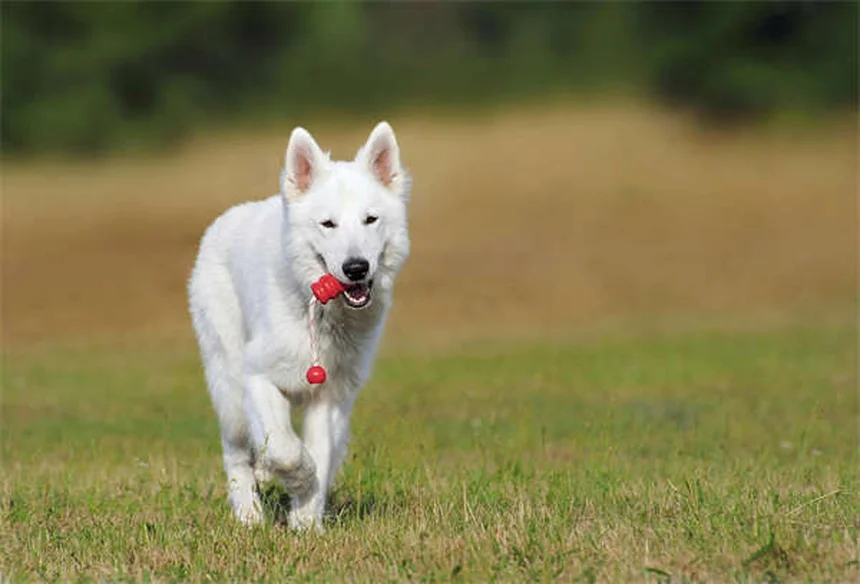
Service dogs start their training as young puppies. Think of it like doggy college - they learn basic obedience first, then move on to advanced coursework. Puppy raisers expose them to all sorts of environments - noisy streets, crowded malls, even public transportation.
I once met a service dog in training at my local coffee shop. While my own dog would be sniffing for crumbs, this pup calmly lay under the table ignoring all distractions. That's the kind of focus these dogs develop!
 Photos provided by pixabay
Advanced Training: Specialization
After mastering basics, dogs that show the right temperament move into specialized training. This can take 1-2 years and costs thousands of dollars. The training is completely customized to the handler's needs.
| Training Type | Duration | Cost Estimate |
|---|---|---|
| Guide Dog | 18-24 months | $40,000+ |
| Medical Alert | 12-18 months | $20,000-$30,000 |
| Mobility Assistance | 12-24 months | $15,000-$25,000 |
Top Service Dog Breeds
Why Breed Matters (But Doesn't Define)
Here's something cool - any breed can potentially become a service dog! The ADA doesn't restrict breeds. However, some breeds consistently excel because of their intelligence, temperament, and physical abilities.
Labrador Retrievers are the golden retrievers of the service dog world (pun intended). Their friendly nature and eagerness to please make them perfect candidates. German Shepherds bring incredible focus and protective instincts, while Poodles offer hypoallergenic coats and brilliant minds.
Unexpected Service Dog Heroes
Don't be surprised if you see a Chihuahua alerting to seizures or a Great Dane helping with mobility support. I once met a rescued pit bull who became an amazing psychiatric service dog - proving that heart matters more than pedigree.
Service Dog Superpowers: Different Types
 Photos provided by pixabay
Advanced Training: Specialization
Did you know a dog's nose is up to 100,000 times more sensitive than ours? Allergy detection dogs use this superpower to sniff out trace amounts of peanuts, gluten, or other allergens. They're like living, breathing food safety inspectors!
Medical alert dogs take detection even further. They can sense blood sugar changes before a diabetic feels symptoms, or detect the subtle scent changes that precede seizures. It's not magic - it's science and incredible training working together.
Guiding Lights: Seeing and Hearing Dogs
Guide dogs for the visually impaired are probably what most people picture when they think of service dogs. But did you know these dogs practice "intelligent disobedience"? If their handler gives an unsafe command (like stepping into traffic), they'll refuse to obey. That's next-level judgment!
Hearing dogs alert their deaf handlers to important sounds - from doorbells to smoke alarms. They don't just bark at noises; they're trained to make physical contact and lead their person to the sound source. Talk about effective communication!
Mobility and Psychiatric Support
Mobility assistance dogs are like having a helpful roommate who never complains. They can open doors, pick up dropped items, even help with dressing. For someone with limited mobility, these tasks restore independence in daily life.
Psychiatric service dogs perform amazing emotional work. They can interrupt panic attacks, create personal space in crowds, or wake someone from nightmares. Their presence alone can be calming, but their trained responses make them true partners in mental health care.
Service Dogs vs. Emotional Support Animals
 Photos provided by pixabay
Advanced Training: Specialization
Here's where people often get confused. While both provide valuable support, service dogs and emotional support animals (ESAs) have different legal statuses and training requirements.
Service dogs must be trained to perform specific disability-related tasks. ESAs provide comfort just by being present - no special training required. That's why service dogs have public access rights that ESAs don't.
Why the Distinction Matters
You might ask, "If both help people, why does it matter?" The key is in the training. Service dogs undergo rigorous preparation to behave impeccably in public spaces. This ensures they can safely perform their jobs without disrupting others.
The Ripple Effect of Service Dogs
More Than Just Assistance
Service dogs don't just help with physical tasks - they transform lives. Studies show that 94% of handlers report improved confidence and social connections. These dogs open doors to experiences their handlers might otherwise miss.
I'll never forget meeting a veteran with PTSD whose service dog changed everything. "Before Bella, I couldn't leave my house," he told me. "Now we go everywhere together - she's my bridge back to the world."
How You Can Help
The most important thing to remember? Never distract a working service dog. As tempting as it is to pet that adorable Labrador, remember they're on duty. The best way to show appreciation is to respect their space and educate others.
Next time you see a service dog team, smile and give them room to work. These incredible animals and their handlers are navigating the world together - and that's something truly special to witness.
The Science Behind a Service Dog's Nose
How Dogs Detect Medical Conditions
You wouldn't believe what's happening inside that wet nose! A dog's olfactory system contains up to 300 million scent receptors, compared to our measly 6 million. That's why your pup can sniff out treats from three rooms away!
When training medical alert dogs, we capitalize on this natural ability. For diabetes detection, dogs learn to recognize the scent of hypoglycemia (low blood sugar) on human breath. Epilepsy alert dogs detect subtle chemical changes that occur before seizures. It's not magic - it's advanced scent training combined with canine biology. Think of it like teaching a kid to recognize different pizza toppings by smell, except these "toppings" could save lives!
The Future of Medical Detection Dogs
Researchers are now studying how dogs might detect cancers, Parkinson's disease, and even COVID-19. Early results are promising - some dogs can identify malaria infections just by sniffing socks!
Here's a mind-blowing fact: A Labrador named Daisy correctly detected 551 out of 552 cancer samples in clinical trials. That's a 99.8% accuracy rate - better than many lab tests! While we still need more research, the potential is enormous. Imagine walking into your doctor's office and being greeted by a friendly pup who could screen for illnesses during your annual checkup.
Service Dogs in the Workplace
Breaking Down Employment Barriers
Did you know service dogs are helping people thrive in careers that once seemed impossible? I recently met a graphic designer with cerebral palsy whose assistance dog retrieves tools, opens drawers, and even helps with computer tasks using special attachments.
Companies like Microsoft and Amazon are creating dog-friendly workplaces that accommodate service dog teams. These forward-thinking businesses understand that when you remove accessibility barriers, you unlock incredible talent. After all, a service dog isn't just assistance equipment - it's someone's lifeline to professional success.
Service Dogs in Unexpected Professions
You'll find service dogs working everywhere from operating rooms to college classrooms. There's even a service dog who assists a chemistry professor by retrieving dropped items in the lab!
One of my favorite stories involves a service dog named Roscoe who helps his handler, a middle school teacher. When students get too rowdy, Roscoe walks through the classroom providing calming pressure touches. The kids love him, and he's helped create the most focused learning environment in the school. Who knew classroom management could have four legs and a wagging tail?
The Emotional Bond Between Handler and Dog
More Than Just a Working Relationship
While service dogs are working animals first, the bond they form with their handlers runs deep. It's a partnership built on trust, communication, and mutual understanding. You can see it in the way a handler's shoulders relax when their dog leans against them during a panic attack.
I'll never forget watching a veteran with PTSD call his service dog during a flashback. Without hesitation, the dog climbed into his lap, licking his face and grounding him in the present moment. In that instant, you could see years of training and bonding come together perfectly. That's not just assistance - that's love in action.
The Handler's Responsibility
Owning a service dog isn't all tail wags and happy moments. Handlers must maintain their dog's training, ensure proper care, and advocate for access rights. It's a full-time commitment that requires patience and dedication.
Think about it - would you want to brush someone's teeth every day? Service dog handlers do equivalent care tasks like cleaning ears, trimming nails, and maintaining dental hygiene. But here's the beautiful part: most handlers say the work is worth it because their dogs give them freedom they couldn't imagine otherwise.
Service Dog Etiquette Everyone Should Know
Common Mistakes Well-Meaning People Make
We've all been tempted to pet that gorgeous golden retriever in the grocery store, but here's why you shouldn't: Distracting a service dog could literally endanger its handler's life. Imagine if someone interrupted your GPS directions while you were driving - that's the equivalent of distracting a guide dog.
Other no-nos include offering food (even if the dog looks at you with those puppy eyes), asking personal questions about the handler's disability, or worse - pretending your pet is a service dog to bring them places. These actions make life harder for legitimate service dog teams who rely on public access rights.
How to Be an Awesome Service Dog Ally
Want to support service dog teams? Here's your action plan: First, always ask permission before interacting (and accept "no" gracefully). Second, educate others when you see service dog etiquette violations. Third, advocate for better accessibility in your community.
Here's a pro tip: If you're a business owner, train your staff on ADA service dog regulations. A simple "Welcome! How can we best accommodate your team?" goes much further than demanding paperwork or challenging someone's disability. Remember - not all disabilities are visible, and not all heroes wear capes (some wear harnesses!).
Service Dogs and Technology: An Unexpected Partnership
High-Tech Harnesses and Smart Collars
Modern service dogs are getting tech upgrades that would make Tony Stark jealous. We're talking about harnesses with built-in GPS tracking, collars that monitor vital signs, and even special buttons that let dogs call for help in emergencies.
One innovative company created a vest that transforms a dog's natural movements into commands. When the dog nudges a certain spot, it can automatically open doors or turn on lights. It's like giving your dog a universal remote control for the house! These advancements mean greater independence for handlers and more efficient work for the dogs.
Virtual Reality Training for Service Dogs
Believe it or not, some training programs now use VR to expose dogs to challenging scenarios safely. They can practice navigating crowded airports or reacting to medical emergencies without leaving the training center.
Think about how flight simulators help pilots - VR gives dogs the same advantage. They can make mistakes in a controlled environment before facing real-world situations. This technology is revolutionizing how we prepare service dogs for their important work, making training both safer and more effective.
The Economics of Service Dogs
Why They Cost So Much (And Where the Money Goes)
Ever wonder why service dogs come with such a hefty price tag? Let's break it down: Breeding programs, veterinary care, trainer salaries, facility costs, and ongoing support for handler-dog teams all add up. It's not just about the dog - it's about the entire ecosystem that creates and supports these amazing animals.
Here's something that might surprise you: Many organizations operate at a loss, relying on donations to cover the difference between what handlers can pay and the actual costs. That's why fundraising events and sponsorships are so crucial to keeping these programs running.
Creative Funding Solutions
Facing the high costs, some organizations are getting innovative with funding models. There are now service dog "scholarship" programs, corporate sponsorships, and even crowd-funded dogs. One group partners with prisons where inmates help with early-stage training - reducing costs while providing rehabilitation opportunities.
I recently learned about a program that lets donors sponsor specific training milestones. You might fund "Puppy Kindergarten" or "Advanced Mobility Training." It's a wonderful way to feel connected to the process and see exactly how your contribution helps. After all, everyone loves getting puppy progress reports!
E.g. :Types of Service Dogs and How They Benefit People with Disabilities
FAQs
Q: What's the difference between a service dog and a therapy dog?
A: Great question! While both provide valuable support, service dogs and therapy dogs have completely different jobs. Service dogs are trained to perform specific tasks for individuals with disabilities - like guiding someone who's blind or alerting to seizures. They have legal public access rights under the ADA. Therapy dogs, on the other hand, are trained to provide comfort to many people in settings like hospitals or schools, but they don't have the same specialized task training or legal protections. I always tell people: if you see a dog wearing a "service animal" vest in a grocery store, that's a working professional - not a pet!
Q: Can any breed become a service dog?
A: Here's something fascinating - the ADA doesn't restrict service dogs by breed! While Labs, Goldens, and German Shepherds are common choices because of their temperament and intelligence, I've seen successful service dogs of all shapes and sizes. What really matters is the individual dog's health, temperament, and ability to perform the required tasks. That said, certain breeds tend to excel at specific roles - like Poodles for allergy-friendly situations or smaller breeds for medical alert work. The key is matching the dog's natural abilities with the handler's needs.
Q: How long does it take to train a service dog?
A: Training a service dog is a serious commitment - we're talking 18-24 months on average! The process typically starts when the dog is just a puppy, with basic obedience and socialization. Then comes specialized task training tailored to the handler's disability. Some types, like guide dogs for the blind, require even longer training (up to 2 years) because the skills are so complex. The cost can range from $15,000 to $40,000, which is why many people work with nonprofit organizations. But here's the amazing part - this intensive training gives people with disabilities an incredible level of independence and safety.
Q: Are emotional support animals the same as service dogs?
A: This is a common mix-up! While emotional support animals (ESAs) provide valuable comfort, they're not the same as service dogs. The key difference is training - service dogs must be trained to perform specific disability-related tasks, while ESAs don't require special training. Legally, service dogs have public access rights that ESAs don't. For example, a psychiatric service dog might be trained to interrupt panic attacks, while an ESA provides comfort just by being present. Both serve important roles, but it's crucial to understand the distinction - especially when it comes to public access and housing rights.
Q: What should I do when I see a service dog in public?
A: The most important thing to remember is don't distract a working service dog. As tempting as it is to pet that adorable Lab or talk to the dog, remember they're on duty. I always advise people to: 1) Avoid eye contact with the dog, 2) Don't offer food or pets, 3) Give the team space to work, and 4) Speak to the handler, not the dog. Distractions can literally put the handler's safety at risk. The best way to show appreciation is by respecting their work - these dogs are changing lives every day!