
What's the best way to give medication to your dog? The answer is: it depends on your pet's personality and health needs! As a vet with 15 years experience, I've seen it all - from Labradors who think pills are treats to cats who turn into ninjas at medication time. The truth is, there's no one perfect method, but understanding your options can make medicating your furry friend way easier.You've got three main choices: oral medications (pills, chews, liquids), topical treatments (creams, gels), and some cool new options like transmucosal sprays. I'll walk you through each one so you can find what works best for your situation. Remember, we're teaming up to keep your pet healthy - and that starts with getting their meds in them without turning it into WWIII!
E.g. :Horse Choke Symptoms & Treatment: What Every Owner Must Know
- 1、Dog Meds 101: Pills, Chews, Liquids & More
- 2、Beyond the Basics: Creative Medication Solutions
- 3、FAQs
Dog Meds 101: Pills, Chews, Liquids & More
Why Medication Form Matters
Ever tried giving medicine to a stubborn dog? It's like negotiating with a furry toddler! The format you choose makes all the difference between smooth sailing and World War III in your living room.
Here's the deal: Some dogs will happily eat anything (looking at you, Labradors!), while others treat pill time like an alien invasion. I've seen cats who'd rather starve than swallow a tablet, and tiny dogs who spit medicine across the room with Olympic-level precision.
Tablets & Chews: The Classic Options
Chewable tablets are the golden retrievers of medications - friendly and easy to handle. Many dogs think they're treats! But here's a funny story: My neighbor's beagle once hid 3 heartworm pills in his cheeks like a squirrel storing nuts.
Regular tablets require more creativity. Pro tip: Try wrapping them in cheese or peanut butter. Just last week, I saw a clever owner use pill pockets shaped like miniature hamburgers - genius!
| Type | Best For | Challenge Level |
|---|---|---|
| Chewable Tablets | Food-motivated dogs | ★☆☆☆☆ (Easy) |
| Regular Tablets | All dogs (with tricks) | ★★★☆☆ (Moderate) |
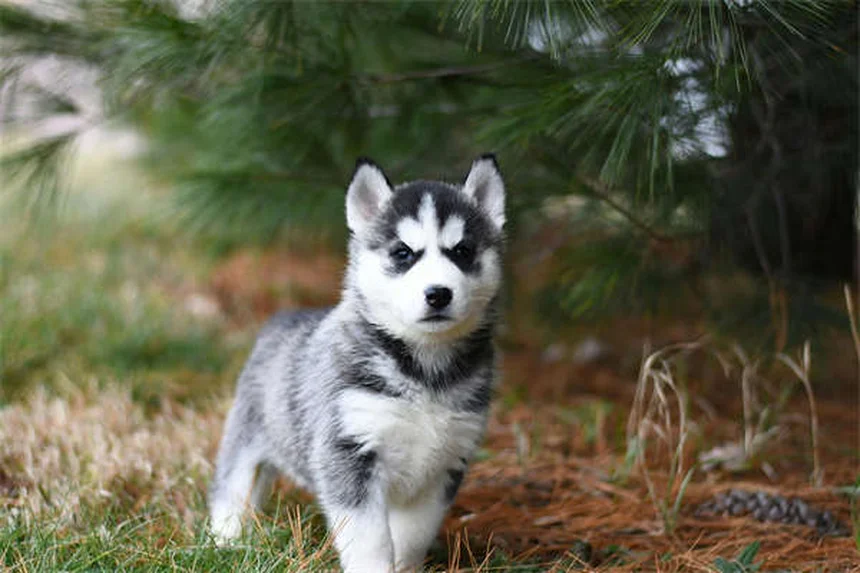 Photos provided by pixabay
Liquid Meds: The Sneaky Solution
Did you know some liquids taste like bacon? Game changer! These work great mixed into wet food, though I once had a poodle who licked the bowl clean but left a perfect medicine puddle in the center.
Here's my favorite trick: Use an oral syringe to gently squirt the liquid between their cheek and gums. Much less messy than trying to pour it straight into their mouth!
Topical Treatments: When Pills Won't Cut It
Some cats would rather stage a Broadway musical than take a pill. That's where topical gels save the day! Just apply to the ear tip - no wrestling required.
But wait - is topical really better than oral? Actually, it depends! While topicals are easier to apply, they may not work as quickly for some conditions. Always check with your vet about what's best for your pet's specific needs.
Safety First: What Every Pet Owner Should Know
Accidents happen - like when my cousin's kid almost ate the dog's flea medication thinking it was candy. Scary stuff! That's why I always recommend:
1. Store meds in child-proof containers
2. Keep human and pet medications separate
3. Watch for side effects like excessive scratching or lethargy
 Photos provided by pixabay
Liquid Meds: The Sneaky Solution
Picture this: Your dog just ate an entire bottle of joint supplements. Don't panic! Here's what to do:
First, check how much they actually consumed. Then call your vet or animal poison control immediately. I keep these numbers on my fridge:
• ASPCA Poison Control: (888) 426-4435
• Pet Poison Helpline: (855) 764-7661
Making Medication Time Fun (Yes, Really!)
Turn pill time into playtime! Try these creative approaches:
- Make it a game: "Find the medicine" in their kibble
- Use special treats only for medication time
- Praise like crazy when they cooperate
Remember that grumpy cat I mentioned earlier? Her owner started calling meds "magic ear cream" and now she comes running for it!
Vet Visits: Questions You Should Ask
Next time you're at the vet, don't just nod along. Be your pet's advocate! Here are must-ask questions:
"What's the easiest way to give this medication?"
"Are there any flavors available?"
"What side effects should I watch for?"
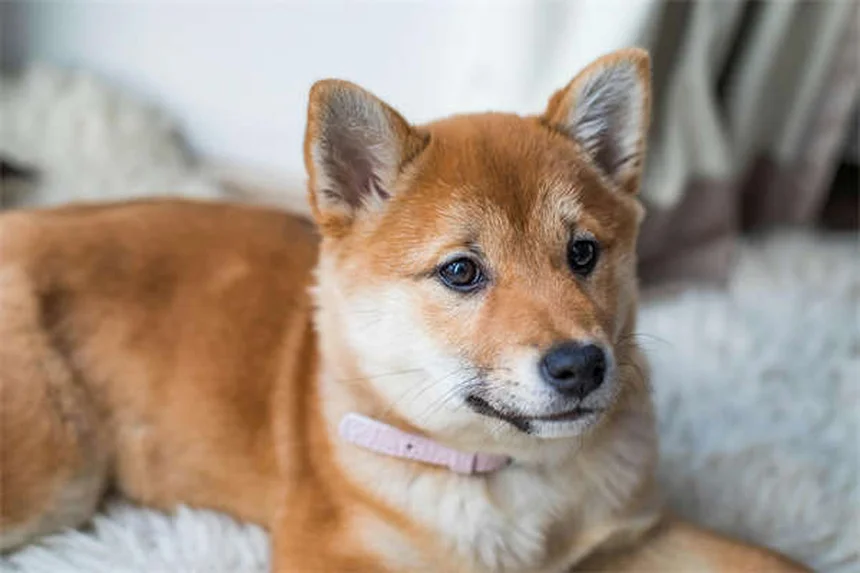 Photos provided by pixabay
Liquid Meds: The Sneaky Solution
Get ready for some cool innovations! Scientists are working on:
- Slow-release implants that last months
- Edible medication tattoos (yes, really!)
- Smart collars that monitor medication levels
Who knows? Maybe someday we'll have bacon-scented pill drones that chase your dog around the house!
Your Medication Success Stories
I want to hear your funniest medication stories! Email me your tales of heroic pill-giving adventures or creative solutions you've discovered. Maybe your story will help another pet owner struggling with medication time.
Remember - we're all in this together. With patience and creativity, you can make medication time stress-free for both you and your furry friend!
Beyond the Basics: Creative Medication Solutions
The Psychology of Medication Resistance
Why do some pets turn into Houdini when they see medicine coming? It's all about trust and past experiences. If your dog once had a bad tasting antibiotic, they'll remember that betrayal for years!
I've worked with a golden retriever who would fake swallowing pills only to spit them out when the owner turned away. The solution? We started calling it "special candy time" and made a big production of eating a treat ourselves first. Worked like magic!
Tech-Savvy Medication Tools
Did you know there's an app that reminds you when to give meds and tracks your pet's reactions? Pill reminders have entered the 21st century! Some even connect to smart pet feeders that dispense medication at scheduled times.
Here's a cool gadget I recently discovered - a pill dispenser that shoots treats across the room after successful medication. It's like a vending machine that rewards cooperation! Though I did hear about one Labrador who learned to fake taking pills just to get more treats...
The Flavor Revolution
Remember when pet meds only came in "bitter" flavor? Those days are gone! Now we've got:
- Chicken (the crowd favorite)
- Peanut butter (perfect for pill pockets)
- Bacon (because everything's better with bacon)
- Even pizza flavor for those picky cats!
But here's a funny thing - some pets develop brand loyalty. I know a poodle who will only take beef-flavored heartworm meds and turns up her nose at chicken. Talk about sophisticated taste!
When Pets Outsmart the System
Ever feel like your pet is playing 4D chess with medication time? I've seen it all:
- Cats who can separate pill pockets from the actual pill
- Dogs who learn to "chew" without actually breaking the tablet
- The infamous "pill under the tongue" trick that fools even experienced owners
My personal favorite? The bulldog who would hold the pill in his mouth for hours, waiting for the perfect moment to spit it out when no one was looking. We solved it by switching to liquid meds mixed into his favorite bone broth!
Alternative Delivery Methods
What if your pet absolutely refuses all conventional methods? Time to get creative! Some unconventional but vet-approved solutions include:
- Transdermal gels applied to the ear (great for cats)
- Medication compounded into flavored lollipops
- Even medicated treats baked into homemade dog cookies
I recently met a cat who would only take her thyroid medication when it was mixed into a tiny amount of tuna juice and given through a syringe like she was at a fancy cocktail bar. Whatever works!
The Emotional Side of Medication
Isn't it amazing how pets pick up on our stress? When you're anxious about giving medicine, they sense it and become more resistant. That's why I always recommend taking a deep breath and approaching medication time with calm confidence.
Here's a pro tip: Practice giving treats in the same way you'd give medicine when you don't actually need to medicate. This builds positive associations and makes the real thing much easier. I've seen this technique transform medication time from a battle to a bonding experience!
When to Call for Backup
Sometimes, despite our best efforts, we need professional help. If you're struggling with:
- Multiple daily medications
- Extremely resistant pets
- Complex dosing schedules
Don't hesitate to ask your vet about compounding pharmacies that can customize medications to your pet's preferences. I worked with one pharmacy that created a beef-flavored liquid version of a normally bitter tablet - it was a game changer for the owner!
Celebrity Pet Medication Hacks
Even famous pets have medication struggles! Did you hear about the movie star's French bulldog who would only take pills wrapped in prosciutto? Or the Instagram-famous cat whose owner created an elaborate "medicine treasure hunt" game?
Here's my favorite celebrity tip: One trainer for a TV show dog taught the pup to "ask" for medication by nudging a special bell. The dog associated the bell with getting attention and treats, making medication time something he actually looked forward to!
Building a Medication Routine
Consistency is key when it comes to successful medication administration. Try pairing it with other daily routines like:
- Morning walks (give the pill right after)
- Dinner time (mix liquids into food)
- Bedtime cuddles (perfect for topical treatments)
I helped one client create a "medicine chart" with stickers for each successful dose. After a full week of stickers, the dog got a special outing to the dog park. Now the dog gets excited when he sees the chart come out!
The Global Perspective
Ever wonder how pets in other countries take medication? In Japan, they have medication treats shaped like sushi! In France, some pharmacies compound pet meds into gourmet flavors like duck or rabbit.
Here's an interesting fact: In Australia, they've developed a kangaroo-shaped chewable tablet that's become wildly popular. Maybe we'll see hamburger-shaped meds in the US soon - I can already picture the commercials!
Your Personal Medication Toolkit
Every pet owner should have these medication essentials:
| Item | Why You Need It |
|---|---|
| Pill pockets | The ultimate stealth weapon |
| Oral syringe | For precise liquid dosing |
| Flavor sprays | Can make any medication more appealing |
| Treat dispenser toy | Great for positive reinforcement |
Remember, what works for one pet might not work for another. The key is to experiment (safely!) and find what makes medication time easiest for both of you. After all, we want our pets healthy AND happy!
E.g. :The Best Flea Treatments for Dogs and Cats - GoodRx
FAQs
Q: What's the easiest dog medication format to administer?
A: Chewable tablets are typically the easiest if your dog likes treats! Many come in delicious flavors like chicken or peanut butter that dogs actually enjoy. I've had clients whose pets get excited for "treat time" when it's actually medication. However, if your pup is a picky eater, liquid medications mixed into wet food can be a great alternative. Just last week, one of my clients discovered their fussy poodle would happily take bacon-flavored heartworm prevention when mixed with his dinner. The key is finding what works for your dog's unique personality!
Q: Are topical medications as effective as oral ones?
A: Topicals can be just as effective for many conditions, especially for pets who hate having their mouths handled. In my practice, I've seen great success with transdermal medications for cats with hyperthyroidism - the gel absorbs through the skin on their ear flap. However, absorption rates vary, so some medications work better orally. For example, flea prevention topicals like Fipronil spread through skin oils beautifully, while pain meds might need oral administration for faster relief. Always consult your vet about what's best for your pet's specific needs!
Q: How can I make pill time less stressful?
A: Here's my pro tip: Turn it into a game! Try hiding the pill in a special treat they only get during medication time. Some creative solutions I've seen include pill pockets shaped like hamburgers or wrapping tablets in cheese. One client even taught their dog to "find the medicine" in their kibble bowl - brilliant! The key is positive reinforcement. Praise like crazy when they cooperate, and stay calm yourself. Remember, dogs pick up on our energy. If you're stressed, they will be too!
Q: What should I do if my pet has a bad reaction to medication?
A: Act fast but stay calm! First, check how much they consumed and call your vet or animal poison control immediately. I keep these numbers on my fridge: ASPCA Poison Control at (888) 426-4435 and Pet Poison Helpline at (855) 764-7661. With oral medications, time is critical because once swallowed, they're harder to remove from the system. For topicals, you can often rinse the area with mild soap and water. Either way, professional guidance is crucial - I've seen cases where quick action prevented serious complications!
Q: Are there any new medication technologies coming for pets?
A: The future looks exciting! Researchers are developing slow-release implants that could last months - imagine not having to remember daily pills! There's also work on edible medication tattoos (yes, really!) and smart collars that monitor drug levels in your pet's system. While bacon-scented pill drones might still be a ways off, these innovations could revolutionize how we medicate our pets. Personally, I can't wait for the day when medication time becomes completely stress-free for both pets and owners!