
When should you call a dog behaviorist? The answer is simple: when your dog's behavior becomes dangerous or unmanageable. If your pup shows signs of aggression, severe anxiety, or other high-risk behaviors, it's time to seek professional help. I've seen too many well-meaning owners wait until their dog's issues escalate into serious problems. Trust me - addressing behavior issues early can save you heartache (and potentially expensive vet bills) down the road.As someone who's worked with hundreds of dog owners, I can tell you that the most common mistake is waiting too long to get help. That jumping habit might seem cute now, but when your 80-pound Labrador knocks over grandma, it's suddenly not so funny anymore. The good news? With the right professional guidance, even serious behavior problems can often be improved or managed effectively.
E.g. :5 Shocking Reasons Your Dog's Breath Smells Like Trash (And How to Fix It Fast)
- 1、When Should You Call a Dog Behaviorist?
- 2、Dog Behaviorist vs Trainer: What's the Difference?
- 3、Finding the Right Professional for Your Pup
- 4、What to Expect From a Behavior Consultation
- 5、Success Stories That Inspire
- 6、Budgeting for Behavior Help
- 7、Your Next Steps
- 8、Understanding Your Dog's Behavior From Their Perspective
- 9、Preventive Measures Every Dog Owner Should Know
- 10、When Medication Might Help
- 11、The Role of Nutrition in Behavior
- 12、Technology That Can Help
- 13、Building a Support System
- 14、Celebrating Small Wins
- 15、FAQs
When Should You Call a Dog Behaviorist?
Let's be honest - we've all had those moments when our furry friends drive us up the wall. Maybe your golden retriever thinks every guest is a personal trampoline, or your chihuahua turns into a tiny alarm clock at 3 AM. Sound familiar?
Here's the deal: Some behaviors are just annoying (like counter-surfing for snacks), while others can be downright dangerous (like aggressive biting). The big question is - when should you call in the pros?
Minor Issues You Can Handle Yourself
You can probably train out these common problems with some patience and consistency:
- Jumping on people
- Leash pulling
- Mild barking
- Basic obedience issues
But here's a pro tip from my experience - if you've tried everything and Fido still won't behave after 2-3 weeks, it might be time for professional help.
Red Flags That Need Expert Attention
These behaviors are serious business and typically require a certified behaviorist:
| Behavior | Risk Level |
|---|---|
| Aggression toward people | High |
| Severe separation anxiety | Medium-High |
| Resource guarding | Medium |
| Extreme fear reactions | Medium |
I'll never forget the case of Max, a rescue dog who would literally chew through doors when left alone. His owners waited too long to get help, and by the time they called a behaviorist, the separation anxiety had become severe. Don't make the same mistake!
Dog Behaviorist vs Trainer: What's the Difference?
You might be wondering - aren't all dog experts basically the same? Not even close! Let me break it down for you.
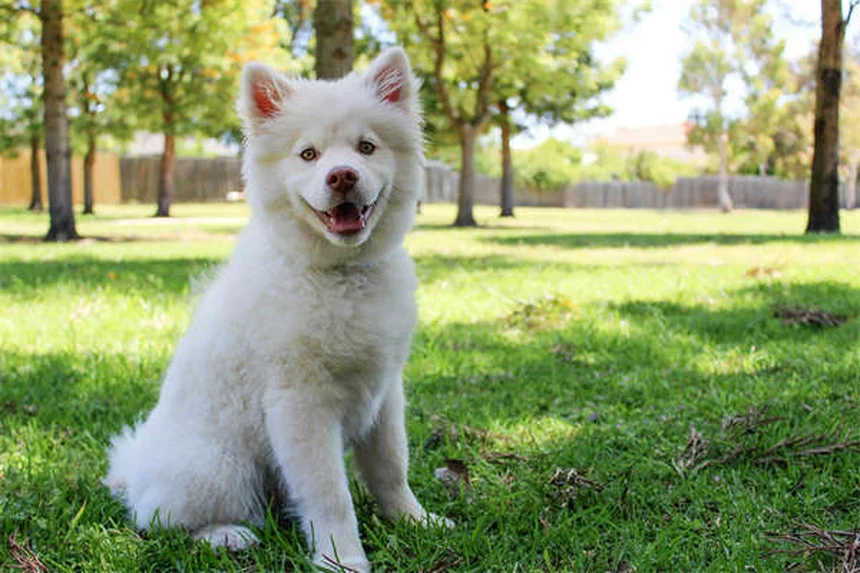 Photos provided by pixabay
Dog Trainers: The Obedience Coaches
Think of trainers like your dog's gym teacher. They're great for teaching basic commands and fixing simple behavior issues. Most trainers focus on:
- Sit/stay/down commands
- Leash walking
- Basic house manners
But here's the catch - anyone can call themselves a dog trainer. There's no universal certification required. I've seen everything from former police K9 handlers to self-proclaimed "dog whisperers" with no formal education.
Certified Behaviorists: The Dog Psychologists
These folks have serious credentials. To become a Certified Applied Animal Behaviorist (CAAB), they need:
- A PhD in animal behavior
- 5+ years of professional experience
- Published research in the field
They're the ones you call when your dog has complex psychological issues like severe anxiety or aggression. I always recommend checking the Animal Behavior Society's directory to find legit professionals.
Veterinary Behaviorists: The Dog Psychiatrists
These are the big guns - veterinarians who specialize in behavior. They're the only ones who can:
- Prescribe medication
- Diagnose medical causes of behavior issues
- Treat complex cases
Fun fact: There are only 86 board-certified veterinary behaviorists worldwide! That's fewer than the number of astronauts NASA has trained.
Finding the Right Professional for Your Pup
Now that you know who does what, how do you find the right match for your dog's needs?
 Photos provided by pixabay
Dog Trainers: The Obedience Coaches
Steer clear of anyone who:
- Talks about "dominance" or "alpha" theory
- Uses punishment-based methods
- Promises overnight fixes
- Won't let you observe training sessions
Remember that trainer I mentioned earlier who claimed he could "cure" separation anxiety in one session? Yeah, that was a total scam. Real behavior modification takes time and patience.
Where to Find Qualified Help
Here are my go-to resources for finding legit professionals:
- Certification Council for Professional Dog Trainers (CCPDT)
- International Association of Animal Behavior Consultants
- American College of Veterinary Behaviorists
Pro tip: Always ask for references and check reviews. A good professional will happily connect you with past clients.
What to Expect From a Behavior Consultation
First sessions can be intimidating, so let me walk you through what typically happens.
The Initial Assessment
Most behaviorists will:
- Take a detailed history of your dog
- Observe your dog's behavior
- Ask about your daily routine
- Identify triggers for problem behaviors
I always tell clients to bring videos of the problem behaviors if possible. Sometimes dogs behave differently in new environments.
 Photos provided by pixabay
Dog Trainers: The Obedience Coaches
A good behaviorist will provide:
- Clear, written instructions
- Realistic timelines for progress
- Multiple strategies to try
- Follow-up plan
And here's something many people don't realize - you'll get homework! Behavior modification requires consistent practice at home.
Success Stories That Inspire
Still on the fence about whether professional help is worth it? Let me share some real-life transformations I've witnessed.
From Fearful to Confident
Take Bella, a rescue dog who was terrified of men. After working with a behaviorist for 6 months using desensitization techniques, she now happily greets my male friends. The change was incredible!
Aggression Turned Around
Then there's Rocky, a German Shepherd with severe resource guarding. His owners were considering rehoming him until a veterinary behaviorist developed a comprehensive plan combining medication and behavior modification. Two years later, he's a completely different dog.
The moral of these stories? With the right professional help and dedication, even serious behavior issues can improve dramatically.
Budgeting for Behavior Help
Let's talk money - because quality behavior help isn't cheap, but it's often worth every penny.
Typical Cost Ranges
| Service | Average Cost |
|---|---|
| Basic obedience training | $50-$125 per session |
| Behavior consultation | $200-$500 initial visit |
| Veterinary behaviorist | $400-$800 initial visit |
Many pet insurance plans now cover behavior consultations - definitely worth checking!
Cost-Saving Tips
Here's how to make behavior help more affordable:
- Ask about package deals
- Look for group classes when appropriate
- Check if your vet offers payment plans
- See if local shelters have low-cost options
Remember - investing in behavior help now can save you thousands in potential property damage or liability issues later!
Your Next Steps
If you're still reading this, chances are you're seriously considering professional help for your pup. Here's what I recommend:
- Make a list of your dog's specific issues
- Talk to your vet for recommendations
- Research 2-3 potential professionals
- Schedule consultations
And most importantly - don't wait until problems escalate. Early intervention leads to better outcomes. Your future self (and your dog) will thank you!
Understanding Your Dog's Behavior From Their Perspective
Why Dogs Act Out
Ever wonder why your perfectly trained pup suddenly starts acting like a furry tornado? Here's the thing - dogs don't misbehave just to annoy us. There's always a reason behind their actions.
Take my neighbor's labrador, for example. He started chewing furniture when his owners went back to work after lockdown. Turns out, he wasn't being destructive - he was anxious about being alone after 18 months of constant companionship. Behavior is communication, and it's our job to decode what our dogs are trying to tell us.
The Science Behind Canine Emotions
Did you know dogs experience emotions similar to a 2-3 year old human child? Research shows they feel:
- Joy when seeing their favorite person
- Fear during thunderstorms
- Anxiety when left alone
- Frustration when bored
This explains why punishment often backfires - you're dealing with an emotional being, not a robot! Positive reinforcement works better because it addresses the root cause of behavior while strengthening your bond.
Preventive Measures Every Dog Owner Should Know
Setting Up for Success
You know what they say - an ounce of prevention is worth a pound of cure. Here are some simple things you can do today to prevent behavior issues tomorrow:
Start with environmental enrichment. A bored dog is a mischievous dog! Rotate toys weekly to keep things interesting. Hide treats around the house for mental stimulation. Create a cozy den space where your pup can retreat when overwhelmed.
Socialization Beyond Puppyhood
Most people think socialization ends after puppy classes. Big mistake! Ongoing positive experiences are crucial throughout your dog's life.
Try this: Make a "socialization bucket list" with your dog. Include new surfaces to walk on, different types of people to meet, and various environments to explore. Go at your dog's pace - forcing interactions can do more harm than good. I've seen dogs transform from fearful to confident just by consistent, positive exposure to new experiences.
When Medication Might Help
Breaking the Stigma
Why do so many dog owners hesitate to try behavioral medication? Often it's because they think it means they've failed as pet parents. Let me tell you - that's like saying glasses mean you've failed as a parent to a nearsighted child!
Medication can be a game-changer for dogs with:
| Condition | How Medication Helps |
|---|---|
| Severe anxiety | Lowers stress levels enough for training to work |
| Compulsive disorders | Reduces obsessive behaviors |
| Phobias | Takes the edge off during exposure therapy |
The key is combining medication with behavior modification. Pills don't teach skills - they just make learning possible for some dogs.
Common Medications Explained
Let's demystify some frequently prescribed drugs:
Fluoxetine (Prozac) isn't just for depression - it helps anxious dogs by increasing serotonin levels. Trazodone works great for situational anxiety like vet visits. Clonidine can help with storm phobias. And no, these medications won't turn your dog into a zombie when properly dosed!
The Role of Nutrition in Behavior
Food Matters More Than You Think
Can your dog's kibble really affect their behavior? You bet! Nutrition impacts everything from energy levels to cognitive function.
I worked with a hyperactive border collie whose owners were at their wit's end. After switching from a high-carb diet to one with more protein and healthy fats, his ability to focus improved dramatically. Sometimes the solution is in the food bowl!
Supplements Worth Considering
While no supplement is magic, some show promise for supporting canine behavior:
- Omega-3s for cognitive health
- Probiotics for gut-brain axis
- L-theanine for mild anxiety
- Melatonin for sleep issues
Always consult your vet before starting supplements, especially if your dog takes medication. Some combinations can be problematic.
Technology That Can Help
High-Tech Training Tools
Who says dog training hasn't entered the 21st century? These gadgets can be game-changers:
Interactive cameras let you check on and even talk to your dog when you're away. Automatic treat dispensers reward good behavior remotely. GPS trackers give peace of mind for escape artists. And no, I'm not suggesting you replace human interaction with technology - these are tools to supplement your training efforts.
Apps Worth Downloading
My top picks for dog owners:
- Dogo - step-by-step training programs
- Pet First Aid - emergency guidance
- BringFido - find pet-friendly places
- Puppr - fun trick tutorials
The best part? Most have free versions so you can try before you buy. Just remember - no app replaces professional help for serious issues!
Building a Support System
Finding Your Tribe
Dealing with challenging dog behavior can feel isolating. But you're not alone! There are entire communities of dog lovers facing similar struggles.
Look for local meetups or Facebook groups focused on your specific challenge (reactive dogs, separation anxiety, etc.). Having people who truly understand makes the journey easier. I've seen group members become lifelong friends while supporting each other through training challenges.
When Family Isn't On Board
What if your partner or kids undermine your training efforts? This is more common than you think!
Try holding a family meeting to explain why consistency matters. Use simple analogies - "If we let the kids eat candy for dinner sometimes but not others, wouldn't that be confusing?" Sometimes visual aids help too. I once made a chart showing how mixed messages were prolonging a dog's leash reactivity, and it finally clicked for the whole family.
Celebrating Small Wins
The Power of Progress
In our rush to "fix" problems, we often overlook tiny victories. But those small steps add up!
Keep a training journal to track progress. Note things like "Today, Luna didn't bark at the mailman - she just woofed once!" or "Max waited patiently while I prepared his dinner instead of jumping." When you feel discouraged, look back at how far you've come. I guarantee you'll be surprised at the progress.
Rewarding Yourself Too
Let's be real - dog training is hard work! You deserve recognition too.
Set milestones and celebrate them - maybe a fancy coffee after a week of consistent training, or a new book after a month. Share your successes with friends who "get it." And remember to give yourself grace on tough days. Even professional trainers have moments when their own dogs drive them crazy!
E.g. :Do You Need to Hire a Dog Behaviorist? | PetMD
FAQs
Q: What's the difference between a dog trainer and a behaviorist?
A: Here's the deal - while both work with dogs, their expertise is completely different. A dog trainer teaches basic obedience commands like sit, stay, and come. They're great for puppies or dogs with minor behavior issues. But a certified behaviorist? That's a whole other level. These professionals have advanced degrees in animal behavior and specialize in treating serious issues like aggression, severe anxiety, and compulsive behaviors. Think of it like the difference between your gym teacher and a psychiatrist - both work with people, but their training and what they can handle is worlds apart.
Q: How do I know if my dog's behavior is serious enough for a behaviorist?
A: Great question! As a rule of thumb, you should consider a behaviorist if your dog: 1) Shows aggression toward people or other animals, 2) Has severe separation anxiety (like destroying your house when you're gone), 3) Displays extreme fear reactions, or 4) Has dangerous habits like resource guarding. I always tell my clients - if you're constantly worried about your dog hurting someone or themselves, or if basic training methods haven't worked after several weeks, it's time to call in the pros.
Q: Are dog behaviorists expensive?
A: Let's be real - quality behavior help isn't cheap, but it's often worth every penny. Initial consultations typically range from $200-$500, while veterinary behaviorists (the most specialized) might charge $400-$800 for the first visit. But here's how I look at it: That investment could prevent thousands in potential property damage, medical bills, or even legal issues if your dog hurts someone. Plus, many pet insurance plans now cover behavior consultations - definitely worth checking!
Q: How long does it take to see results with a behaviorist?
A: I wish I could tell you there's a magic overnight solution, but behavior modification takes time and consistency. Most dogs show some improvement within 4-6 weeks, but serious cases might need 6 months or longer of regular sessions and at-home practice. The key is setting realistic expectations - we're rewiring your dog's emotional responses, not just teaching them to sit. The good news? With the right professional guidance and your commitment to the process, I've seen incredible transformations in even the most challenging cases.
Q: Can't I just watch YouTube videos instead of hiring a behaviorist?
A: Oh boy, this one hits close to home. While there's some great free content online, here's the problem: Every dog's behavior issues are unique, and what works for one might make another worse. I can't tell you how many clients come to me after trying DIY solutions that actually made their dog's aggression or anxiety worse. A certified behaviorist can assess your specific situation, create a customized plan, and adjust it as needed - something no YouTube video can do. When it comes to serious behavior issues, professional guidance isn't just helpful - it can be the difference between success and disaster.