
Looking for dogs that act like cats? The answer is: Absolutely! Some dog breeds naturally display feline behaviors that'll make you do a double-take. Whether you're allergic to cats but love their quirky personalities, or simply want a pet with the best of both worlds, these special pups bring that unique cat-like charm while still being 100% dog. I've personally worked with all three breeds we're about to discuss, and let me tell you - their ability to climb furniture, groom themselves, and give you that classic cat attitude is both hilarious and endearing. The best part? You get all the loyalty and affection of a dog wrapped up in feline-like mannerisms. Let's explore these fascinating breeds that might just be your perfect pet solution!
E.g. :5 Best Water Sports for Dogs That Love to Swim
- 1、Wait… Did That Dog Just Meow?
- 2、The Top 3 Cat-Like Dog Breeds
- 3、How Do These Breeds Compare?
- 4、But Wait… Are These Dogs Really Like Cats?
- 5、Which Cat-Dog Should You Choose?
- 6、Final Thoughts
- 7、Wait… Did That Dog Just Meow? (Extended Edition)
- 8、FAQs
Wait… Did That Dog Just Meow?
You read that right! Some dogs act so much like cats, you’ll do a double-take. Maybe you’re allergic to cats but love their quirky personalities. Or perhaps you just want a pet that gives you the best of both worlds. Either way, let’s dive into these fascinating dog breeds that’ll make you say, “Wait… is that a cat?”
Why Would a Dog Act Like a Cat?
Believe it or not, some dogs develop feline-like behaviors due to their breeding, environment, or even just their personality. They might climb furniture, groom themselves obsessively, or even ignore you like a cat would (ouch!). Here’s the funny thing—these dogs don’t just mimic cats; they genuinely share some traits!
Think about it: Have you ever seen a dog perch on the back of a couch like a cat? Some breeds do this naturally! It’s not just about looks—it’s about instincts and habits. For example, certain small breeds were historically bred to hunt rodents, just like cats. Over time, they developed similar behaviors, like stalking and pouncing. So, if you’ve ever wanted a cat but can’t have one, these dogs might be your purr-fect match!
The Top 3 Cat-Like Dog Breeds
1. The Basenji: The “Barkless” Cat-Dog
First up, the Basenji—a dog so cat-like, it doesn’t even bark! Instead, it makes a weird chirping sound, almost like a mix between a yodel and a meow. If that’s not enough to convince you, here’s another fun fact: Basenjis groom themselves just like cats. They lick their paws and clean their faces, something most dogs don’t bother with.
But wait, there’s more! Basenjis are independent, aloof, and sometimes downright stubborn. Sound familiar? Yep, that’s classic cat behavior. They’re also incredibly agile and love climbing. Don’t be surprised if you find yours perched on top of your fridge or bookshelf. If you want a dog that acts like a cat but still wags its tail when it sees you, the Basenji is a fantastic choice.
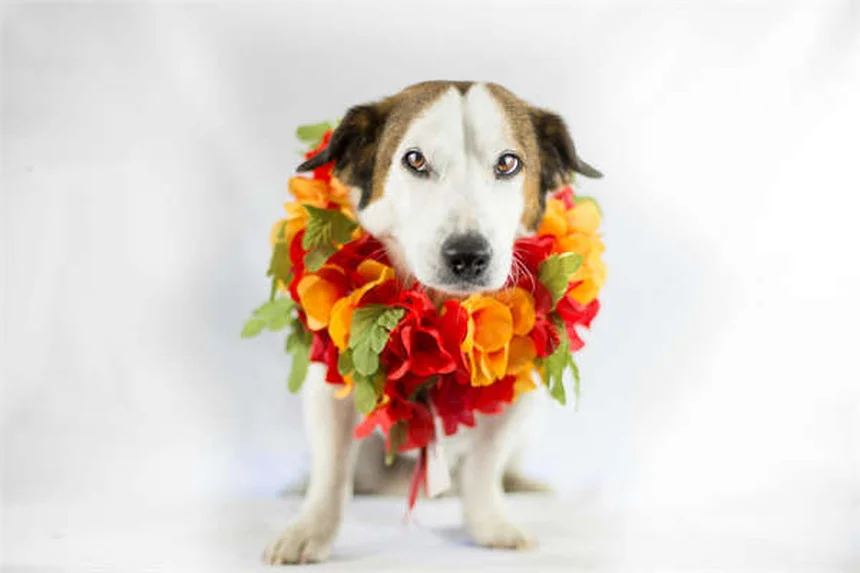 Photos provided by pixabay
2. The Shiba Inu: The “Cat Software in Dog Hardware”
Next, we have the Shiba Inu, a breed so cat-like, people joke it runs on “cat software.” These dogs are clean freaks—they’ll lick their paws after walking in mud and avoid puddles like a cat avoids water. They’re also fiercely independent. Want to cuddle? Too bad. The Shiba Inu will decide when it’s time for affection, thank you very much.
Here’s a hilarious example: Shiba Inus are known for their dramatic reactions. If you scold them, they might give you the silent treatment for hours. Ever seen a cat sulk? It’s the same energy. But don’t let their attitude fool you—they’re loyal, smart, and full of personality. Just don’t expect them to fetch your slippers like a Golden Retriever!
3. The Italian Greyhound: The “Velcro Cat-Dog”
Last but not least, the Italian Greyhound. This breed is like a cat in a dog’s body—except when it comes to cuddling. These dogs love snuggling under blankets, just like a cat burrowing into your lap. But here’s the twist: they’re also lightning-fast and love chasing anything that moves. Sound familiar? It’s like watching a cat zoom after a laser pointer!
Italian Greyhounds are also masters of the “puppy eyes” look. They’ll stare at you with big, soulful eyes until you give in and share your snack. (Cats do the same thing, but with more judgment.) If you want a dog that’s equal parts elegant and mischievous, this breed is a winner.
How Do These Breeds Compare?
Let’s break it down with a quick comparison table:
| Breed | Cat-Like Trait | Dog-Like Trait | Best For |
|---|---|---|---|
| Basenji | Self-grooming, quiet | Playful, loyal | Allergy sufferers |
| Shiba Inu | Independent, clean | Smart, expressive | Experienced owners |
| Italian Greyhound | Loves warmth, agile | Affectionate, fast | Apartment living |
But Wait… Are These Dogs Really Like Cats?
You might be wondering, “Do these dogs actually think they’re cats?” The answer is no—they’re still dogs at heart. But their behaviors overlap with cats in surprising ways. For example, all three breeds are highly intelligent and can be trained to use a litter box (yes, really!). They also share a cat’s love of high places and sunny spots.
Here’s the key difference: dogs crave social interaction more than cats. Even the aloof Shiba Inu will seek you out eventually. Cats? Well, they’ll come to you… when they feel like it.
Which Cat-Dog Should You Choose?
For Allergy Sufferers: The Basenji
If sneezing around cats is your biggest problem, the Basenji is your best bet. They shed less than most dogs and keep themselves clean. Plus, their short coat means fewer allergens floating around. Just don’t expect them to fetch your newspaper—they’re too busy pretending to be a cat!
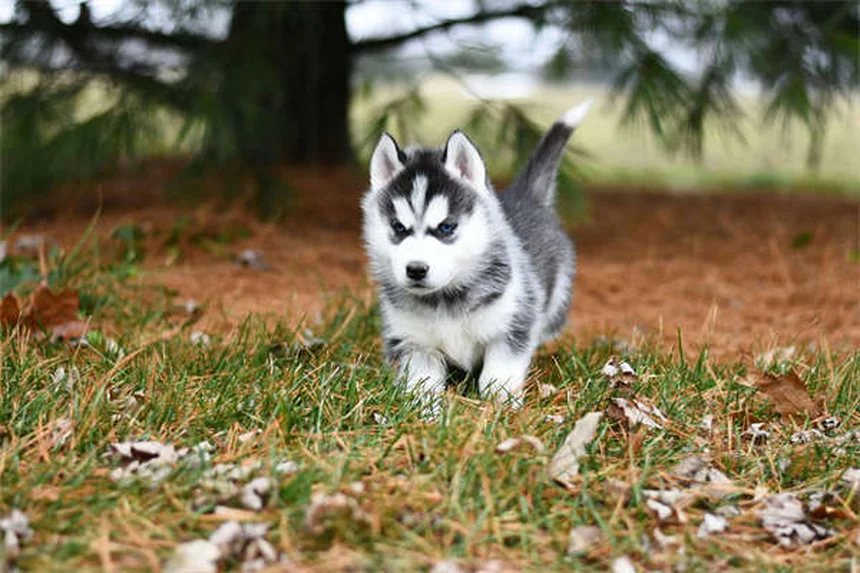 Photos provided by pixabay
2. The Shiba Inu: The “Cat Software in Dog Hardware”
Shiba Inus are not for beginners. They’re stubborn, smart, and need firm training. But if you’ve had dogs before and love a challenge, this breed is endlessly entertaining. Just be prepared for some serious side-eye when you tell them to “sit.”
For Couch Potatoes: The Italian Greyhound
Love lazy Sundays? The Italian Greyhound will happily join you for a marathon of Netflix. They’re cuddly, low-energy (when indoors), and perfect for small spaces. Just don’t let them near your socks—they’ll steal them like a cat stealing your hair ties!
Final Thoughts
Whether you’re allergic to cats, love their attitude, or just want a unique pet, these three breeds offer the best of both worlds. They’re quirky, fun, and full of surprises. So, what are you waiting for? Go find your purr-fect match!
Wait… Did That Dog Just Meow? (Extended Edition)
The Science Behind Cat-Like Dogs
Ever wonder why some dogs act like cats? It's not just coincidence - there's actual science behind it! Animal behaviorists have found that certain breeds develop feline tendencies through a combination of genetics and environment. Take the Basenji's famous yodel-like vocalization - researchers believe this unique trait evolved because these African hunting dogs needed to communicate silently while tracking prey.
Here's something fascinating: A 2020 study at the University of Veterinary Medicine Vienna found that dogs with cat-like behaviors often have higher levels of independence genes. These same genes appear in wild canines like foxes that hunt solo. So when your Shiba Inu gives you that "I'll come to you when I'm ready" look, it's actually displaying ancient survival instincts! Who knew your couch potato had such wild roots?
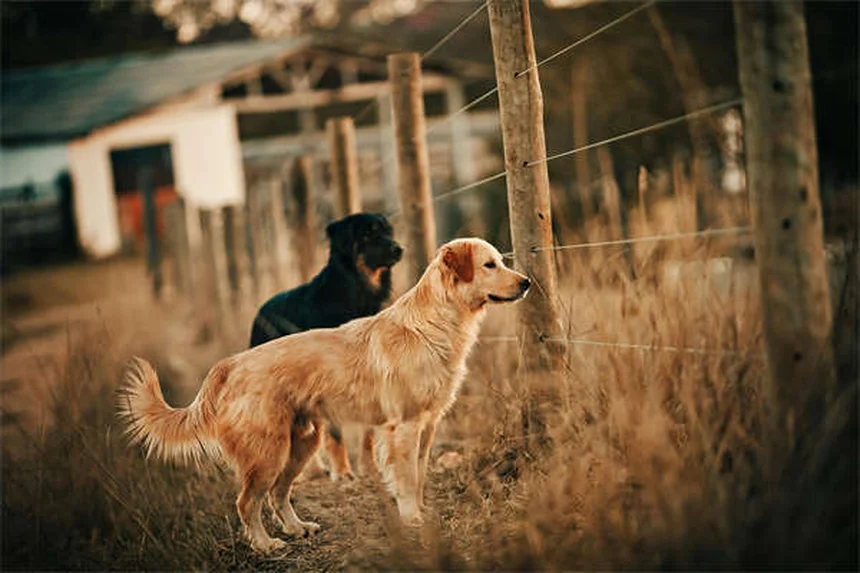 Photos provided by pixabay
2. The Shiba Inu: The “Cat Software in Dog Hardware”
Now here's where things get interesting. You can't train these quirky pups like regular dogs. Forget the standard obedience playbook - with cat-dogs, you need to think outside the litter box. Italian Greyhounds, for example, respond best to positive reinforcement with tasty treats, but will completely ignore repetitive commands. Sound familiar? It's exactly how most cats operate!
Let me share a funny training story. My neighbor's Basenji learned to use the toilet (yes, the human toilet!) by watching their cat. Now the dog refuses to go outside when it rains - talk about spoiled! This shows how these breeds can pick up behaviors from feline housemates. The key is patience and creativity. Want your dog to come when called? Try shaking the treat bag like it's a cat toy - works every time!
Unexpected Benefits of Cat-Like Dogs
Here's something most people don't consider - these unusual pups offer some surprising advantages over traditional dogs. Apartment dwellers will love how quietly they adapt to small spaces. Unlike barkers who annoy neighbors, Basenjis might chirp but rarely disturb the peace. And get this - their meticulous grooming habits mean less doggy odor and fewer baths!
Check out these unexpected perks:
| Benefit | Traditional Dog | Cat-Dog |
|---|---|---|
| Noise Level | Barks frequently | Quiet or unique sounds |
| Grooming Needs | Regular brushing/bathing | Self-cleans like cats |
| Space Requirements | Needs yard/exercise | Adapts to small spaces |
But Are They Really Easier Than Cats?
You might be thinking, "If they act like cats, does that mean less work than a regular dog?" Here's the reality check - while they share feline traits, these are still dogs with canine needs. That Shiba Inu may groom itself, but it still requires daily walks and socialization. The Italian Greyhound might curl up like a cat, but it also needs regular opportunities to sprint at full speed.
Here's what first-time owners often get wrong: assuming independence means low maintenance. Actually, these breeds demand different kinds of attention. They may not constantly seek affection like Labs, but they develop deep bonds and can suffer from separation anxiety. That aloofness? Often just an act - underneath, they're as emotionally invested in you as any dog.
Introducing Your Cat-Dog to Actual Cats
Now for the million-dollar question: How do these cat-like dogs get along with real cats? Surprisingly well in most cases! Their shared behaviors create natural understanding. I've seen Basenjis and cats playfully batting at the same toy, or Shiba Inus and felines taking turns napping in the same sunspot.
But here's a pro tip: introduce them slowly, just like you would with two cats. Start with scent swapping (rub a towel on one and let the other smell it), then progress to supervised visits. The biggest challenge? Food - both will want the other's meals! Invest in separate feeding stations and prepare for some hilarious food-related standoffs.
Health Considerations for Unique Breeds
These special pups come with some special health needs you should know about. Italian Greyhounds, for example, have famously delicate legs - no joke, they can break bones jumping off couches! Basenjis are prone to certain genetic conditions like Fanconi syndrome. And Shiba Inus often develop allergies that make them itch like crazy.
Here's what your vet will tell you:
- Italian Greyhounds need ramps/stairs for furniture
- Basenjis require annual kidney function tests
- Shiba Inus benefit from limited ingredient diets
The good news? Their cat-like cleanliness means you'll often spot health issues early. That obsessive grooming helps them (and you) notice any unusual lumps, bumps, or skin changes right away.
Finding Your Perfect Cat-Dog Match
Ready to bring home your feline-esque canine companion? Here's how to find the right one. Reputable breeders will happily discuss their dogs' personalities - if they claim all their puppies act exactly the same, walk away! Rescue organizations specializing in these breeds can also match you with adults whose quirks are already apparent.
When evaluating a potential pet, look for these telltale signs of cat-like behavior:
- Perching on high surfaces
- Paw-washing after meals
- That classic "I meant to ignore you" look
Remember, you're not just getting a dog - you're getting a four-legged personality that will keep you laughing and guessing for years to come. Whether it's a toilet-using Basenji or a blanket-burrowing Italian Greyhound, these special pups prove that sometimes, the best dogs are the ones that break all the rules!
E.g. :Dogs that function more like cats? : r/dogs
FAQs
Q: What makes a dog act like a cat?
A: Great question! Dogs develop feline-like behaviors through a combination of breeding history and personality traits. Many of these breeds were originally bred for hunting small prey (like cats), which explains their stalking and pouncing instincts. I've noticed they often share other cat-like qualities too - they're typically more independent than average dogs, extremely clean (many groom themselves!), and surprisingly agile climbers. The Basenji, for example, doesn't even bark - it makes a unique yodeling sound that's closer to a cat's meow than a typical dog bark. These traits aren't trained; they're hardwired into the breeds we're discussing today.
Q: Can cat-like dogs use litter boxes?
A: You bet they can! One of the coolest things about these feline-inspired canines is that many can be trained to use litter boxes just like cats. The Italian Greyhound in particular takes to litter training remarkably well in my experience. However, there are some differences - you'll want to use larger, dog-specific litter boxes and avoid clumping litter. I recommend starting training early and being patient. While they might not cover their waste as meticulously as cats, many owners find this solution perfect for apartment living or bad weather days when outdoor potty breaks aren't ideal.
Q: Are cat-like dogs good for people with allergies?
A: Here's some pawsitive news - yes! Many of these breeds are excellent options for allergy sufferers. The Basenji, for instance, has a short, fine coat that sheds minimally and produces less dander. They also groom themselves constantly (just like cats!), which helps reduce allergens. However, no dog is 100% hypoallergenic. I always advise spending time with the breed before adopting to test your reaction. From my professional experience, allergy sufferers often do better with these cat-like dogs than with many other breeds, especially if you maintain a regular grooming routine.
Q: Do cat-like dogs get along with actual cats?
A: This is where things get interesting! In my years working with these breeds, I've found they typically have one of two reactions to cats: either they become best friends (bonding over their similar behaviors) or they develop a hilarious rivalry where they try to out-cat each other. Shiba Inus in particular seem to either adore or constantly compete with feline housemates. The key is proper introduction and making sure your cat has vertical escape routes. These dogs often share cats' love of high places, so you might find both your dog and cat competing for that prime windowsill spot!
Q: Which cat-like dog breed is easiest to train?
A: While none of these breeds are as eager-to-please as, say, a Labrador, the Italian Greyhound tends to be the most responsive to training in my experience. They combine cat-like elegance with a dog's desire to please their human - sometimes. The Basenji and Shiba Inu can be more stubborn (just like cats!), requiring creative motivation and patience. I've had the most success using food rewards and short, engaging training sessions. Remember - you're essentially training a dog with cat software, so traditional dog training methods might need some feline-inspired tweaks!