
Can rabbits get kidney stones? The answer is yes - and it's more common than you might think! Rabbit kidney stones (nephrolithiasis) and bladder stones (ureterolithiasis) are serious conditions that every bunny owner should understand. About 15% of pet rabbits develop urinary tract stones at some point, often due to dietary imbalances and insufficient water intake. The good news? With proper care, you can significantly reduce your rabbit's risk. In this guide, we'll walk you through everything from early symptoms to effective prevention strategies that really work.
E.g. :Facial Nerve Paralysis in Rabbits: Symptoms, Causes & Treatment
- 1、Kidney and Bladder Stones in Rabbits: What You Need to Know
- 2、The Hidden Dangers of Rabbit Urinary Issues
- 3、FAQs
Kidney and Bladder Stones in Rabbits: What You Need to Know
How Your Rabbit's Urinary System Works
Let me break this down for you in simple terms. Your rabbit's kidneys are like super-efficient filtration plants working 24/7. They clean the blood, balance minerals, and help control blood pressure. The ureters? Those are the tiny tubes connecting kidneys to the bladder - think of them as nature's plumbing system.
Now here's where things get interesting. Unlike humans, rabbits have a unique way of processing calcium that makes them prone to developing stones. Their bodies absorb almost all dietary calcium, excreting the excess through urine. This creates that milky white pee you might notice in your bunny's litter box.
Spotting Trouble: Warning Signs
Silent but deadly - that's how I'd describe kidney and bladder stones in rabbits. Many bunnies show zero symptoms until the problem becomes serious. But here are red flags to watch for:
- Drinking way more or less than usual
- Straining to pee or producing very little urine
- Dark, bloody, or unusually thick urine
- Losing weight despite eating normally
Did you know a rabbit can have stones the size of peas without showing discomfort? That's why regular vet check-ups are crucial!
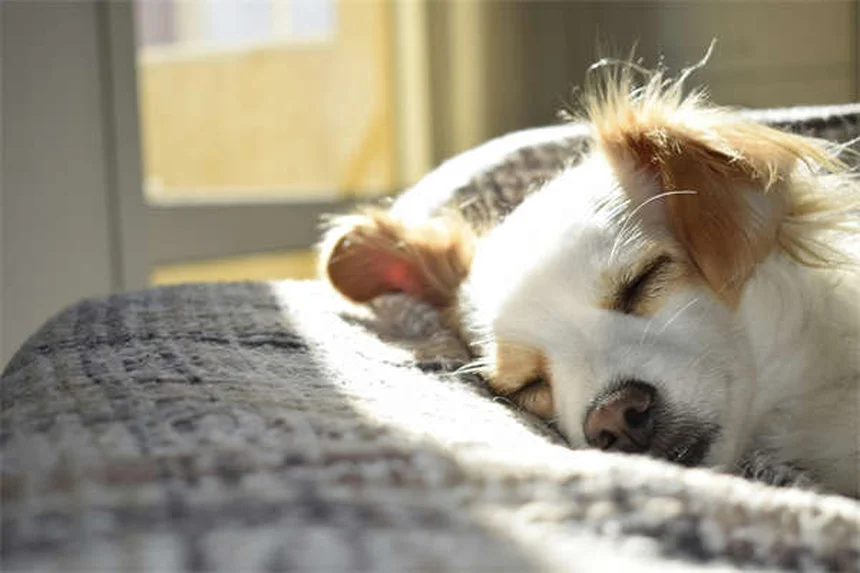 Photos provided by pixabay
What Causes These Pesky Stones?
Let's play detective. While we don't have all the answers, we know these factors increase risk:
| Risk Factor | Why It Matters |
|---|---|
| Alfalfa-based diet | Packed with calcium - like giving your bunny calcium supplements! |
| Limited exercise | Couch potato bunnies = sluggish urine flow |
| Dehydration | Concentrated urine = perfect stone-forming conditions |
Here's a fun fact that might surprise you: pellet-fed rabbits have 3x higher stone risk compared to those eating fresh greens. Makes you rethink that pellet-only diet, doesn't it?
Getting the Right Diagnosis
When you visit the vet (which you absolutely should if you suspect stones), here's what to expect:
First, we'll do blood work to check kidney function. Then comes the urine test - we're looking for crystals, bacteria, and other troublemakers. X-rays or ultrasound often reveal the stones hiding in your bunny's plumbing system.
Pro tip: Bring a fresh urine sample if possible! Collect it by placing a clean litter box with non-absorbent pellets right after your rabbit wakes up.
Treatment Options That Work
So your bunny has stones. Now what? Treatment depends on the stone's size and location:
Small stones: We might try flushing them out with IV fluids and dietary changes. Think of this as power-washing your bunny's urinary system!
Large stones: These stubborn guys often need surgical removal. Yes, it sounds scary, but modern veterinary medicine makes this procedure quite safe.
Either way, we'll get your rabbit comfortable with pain meds and get those kidneys working properly again with fluid therapy.
 Photos provided by pixabay
What Causes These Pesky Stones?
Here's the good news - you can dramatically reduce the chance of recurrence with these simple steps:
- Switch from alfalfa to timothy hay (for adult rabbits)
- Offer fresh leafy greens daily - romaine, cilantro, and parsley are great choices
- Encourage water intake with multiple bowls and a rabbit-safe water fountain
- Promote exercise with at least 4 hours of supervised playtime daily
Remember that old saying "An ounce of prevention is worth a pound of cure"? For rabbits and urinary health, this couldn't be more true!
Long-Term Care for Stone-Prone Bunnies
If your rabbit has had stones before, they'll need some extra TLC. Here's my game plan:
First, we'll do regular check-ups - usually every 6 months. These include urine tests and sometimes imaging to catch any new stones early.
Second, we'll tweak the diet. Less calcium-rich foods, more hydration. I often recommend adding cucumber slices or wetting greens to boost water intake.
Finally, we'll keep that bunny moving! Exercise isn't just for weight control - it helps keep urine flowing smoothly through the system.
When to Sound the Alarm
Some situations require immediate vet attention:
• Complete inability to urinate (EMERGENCY!)
• Blood in urine lasting more than 24 hours
• Loss of appetite combined with urinary symptoms
• Lethargy or hunched posture suggesting pain
Ever wonder why rabbits hide illness so well? In the wild, showing weakness makes them prey. That's why we need to be extra vigilant about subtle changes!
 Photos provided by pixabay
What Causes These Pesky Stones?
Let me tell you about Thumper, a 4-year-old Rex who came in with baseball-sized bladder stones. After surgery and dietary changes, he's now stone-free and hopping happily!
Or Flopsy, who developed tiny kidney crystals. With just dietary modification and increased water intake, we dissolved those crystals completely within 3 months.
The moral? With proper care, most rabbits with urinary stones can enjoy a great quality of life. Your vigilance makes all the difference!
Your Rabbit's Urinary Health Checklist
Print this out and stick it on your fridge:
☐ Daily fresh water changes
☐ Timothy hay available 24/7
☐ Minimum 2 cups leafy greens daily
☐ Limited pellets (1/4 cup per 5 lbs body weight)
☐ Weekly litter box inspections
☐ Monthly weight checks
☐ Biannual vet visits
Follow this routine, and you'll be giving your bunny the best shot at a stone-free life!
The Hidden Dangers of Rabbit Urinary Issues
Why Rabbit Urinary Health is Different Than Other Pets
You might not realize this, but rabbits have one of the most unique urinary systems in the animal kingdom. While dogs and cats can develop stones too, rabbits face three times higher risk due to their calcium metabolism. Their bodies absorb nearly all dietary calcium, unlike ours which regulates absorption.
Here's something fascinating - wild rabbits rarely get urinary stones! Why? Because their natural diet of diverse grasses and plants provides perfect mineral balance. This makes you wonder - are we accidentally creating health problems with our well-meaning domestic rabbit care?
The Calcium Connection You Can't Ignore
Let me share a startling comparison that opened my eyes:
| Food Item | Calcium Content (per 100g) | Rabbit Daily Calcium Need |
|---|---|---|
| Alfalfa Hay | 1.5g | 0.5-1g for average adult |
| Timothy Hay | 0.4g | |
| Romaine Lettuce | 0.3g |
See how easy it is to overload your bunny with calcium? That alfalfa hay we thought was so healthy might actually be setting the stage for trouble. This doesn't mean calcium is bad - it's essential for strong bones. But like chocolate cake, too much of a good thing causes problems.
Water: The Magic Stone Prevention Tool
Here's a simple trick I've seen work miracles - increase water intake. Rabbits that drink more water produce more dilute urine, making stone formation much harder. Try these fun hydration boosters:
• Add a splash of unsweetened cranberry juice to water (they love the taste!)
• Serve veggies wet instead of dried
• Use wide, heavy bowls instead of bottles (rabbits drink more this way)
Did you know a well-hydrated rabbit will pee about 8-10 times daily? That's your benchmark for knowing if your bunny's getting enough fluids.
Exercise: Not Just for Weight Control
We all know exercise keeps bunnies trim, but here's a benefit you might not expect - physical activity helps prevent urinary stasis. When rabbits hop around, the movement literally shakes loose any tiny crystals before they can clump into stones.
I recommend creating an exercise circuit with tunnels, low jumps, and digging boxes. Rotate toys weekly to keep it interesting. A bored rabbit is a sedentary rabbit, and that's when trouble starts brewing in their urinary tract.
The Pellet Problem Nobody Talks About
Commercial pellets seem convenient, but they're often urinary trouble in a bag. Here's why:
Most pellets are alfalfa-based (calcium overload), too concentrated (reduces water intake), and lack the fiber diversity of fresh foods. I've seen cases where simply switching from pellets to a fresh food diet resolved chronic urinary issues within weeks!
Does this mean you should never feed pellets? Of course not - but they should be supplements, not staples. Think of them like vitamin pills rather than meals.
Stress: The Silent Stone Maker
Here's something most rabbit owners miss - stress directly impacts urinary health. When rabbits feel threatened (by predators, loud noises, or even household changes), their bodies conserve water, leading to concentrated urine perfect for stone formation.
Create a zen den for your bunny with these elements:
• Multiple hiding spots
• Consistent daily routine
• Quiet hours (especially at dawn/dusk when rabbits are most active)
• Familiar scents (avoid frequent cage cleaning)
You'd be amazed how many "medical" urinary issues actually resolve when we address the rabbit's emotional wellbeing!
Alternative Therapies Worth Considering
While traditional veterinary care is essential, some complementary approaches show promise:
Acupuncture: Helps with pain management and urinary flow. I've seen bunnies who couldn't pee start producing urine within hours of treatment!
Herbal supplements: Marshmallow root and corn silk can soothe irritated urinary tracts. Always consult your vet first though - some herbs interact with medications.
Physical therapy: Gentle massage techniques can help move small stones through the system. This isn't DIY - seek a professional trained in rabbit anatomy.
When Prevention Fails: Advanced Treatment Options
For severe cases, we now have cutting-edge options beyond traditional surgery:
Laser lithotripsy uses targeted light beams to break stones into sand-like particles that pass naturally. It's less invasive with faster recovery times.
Urethral stenting helps keep the urinary pathway open in rabbits prone to blockages. Think of it as a tiny scaffold holding the plumbing open.
The best part? These procedures are becoming more affordable as technology advances. What cost $5,000 five years ago might be under $2,000 today at many specialty clinics.
Building Your Rabbit Healthcare Team
You wouldn't trust your health to just any doctor, right? Same goes for your bunny. Assemble this dream team:
• Primary Vet: Rabbit-savvy general practitioner for routine care
• Specialist: Board-certified exotic animal vet for complex cases
• Nutritionist: To design the perfect stone-prevention diet
• Physical Therapist: For post-surgery rehab or mobility issues
Pro tip: Many vet schools offer affordable specialty care through their teaching hospitals. It's worth the drive for cutting-edge treatment options!
The Future of Rabbit Urinary Health
Exciting research is happening right now that could revolutionize how we prevent and treat urinary stones:
Scientists are developing probiotic supplements that alter urine pH to prevent crystal formation. Early trials show 60% reduction in stone recurrence rates!
Genetic testing may soon identify rabbits predisposed to urinary issues, allowing for early dietary intervention. Imagine knowing your bunny's risk as a baby!
3D printing technology is creating custom urinary stents tailored to each rabbit's anatomy. No more one-size-fits-all solutions.
The message is clear - while urinary stones are serious, there's never been more hope for prevention and treatment. Your bunny's golden years can truly be golden with the right care!
E.g. :Kidney and Urinary Obstruction and Inflammation in Rabbits | PetMD
FAQs
Q: What are the first signs of kidney stones in rabbits?
A: The tricky thing about rabbit kidney stones is they often show no obvious symptoms until the problem becomes severe. However, here are 5 warning signs to watch for: 1) Changes in urination habits (straining, frequent attempts, or no urine), 2) Dark or bloody urine, 3) Loss of appetite, 4) Weight loss despite eating, and 5) Lethargy or hunched posture indicating pain. Remember - rabbits are masters at hiding illness, so any subtle change in behavior warrants attention. If you notice two or more of these signs, it's time for a vet visit!
Q: What foods cause bladder stones in rabbits?
A: The main dietary culprits are alfalfa hay and calcium-rich pellets. Here's why: rabbits absorb nearly all dietary calcium, excreting excess through urine. Alfalfa contains about 1.5% calcium - great for growing bunnies but too much for adults. Commercial pellets often use alfalfa as base and add calcium carbonate. Instead, we recommend: 1) Timothy or orchard grass hay as staple, 2) Limited pellets (1/4 cup per 5 lbs daily), 3) Fresh leafy greens like romaine, cilantro, and parsley. Pro tip: Wet the greens to boost water intake!
Q: How are kidney stones diagnosed in rabbits?
A: Diagnosis typically involves three steps: 1) Physical exam - your vet will palpate the abdomen and check for pain, 2) Urinalysis to detect crystals, blood, or infection, and 3) Imaging - x-rays (best for calcium stones) or ultrasound (great for soft tissue evaluation). Sometimes we do blood work to assess kidney function. Bring a fresh urine sample if possible - collect first morning urine in a clean container for most accurate results. Early detection makes treatment much easier!
Q: Can rabbit kidney stones be treated without surgery?
A: It depends on the stone size and location. Small bladder stones (<5mm) might respond to: 1) Fluid therapy (IV or subcutaneous) to flush the system, 2) Dietary changes to reduce calcium, 3) Pain management, and 4) Increased exercise. However, larger stones or those blocking urine flow typically require surgery. The good news? With proper anesthesia and an experienced rabbit vet, stone removal surgery has about 90% success rate. Post-op care includes antibiotics, pain meds, and that all-important dietary overhaul.
Q: How can I prevent kidney stones in my rabbit?
A: Prevention boils down to four key strategies: 1) Hydration, hydration, hydration - offer multiple water sources and wet greens daily, 2) Proper diet - timothy hay, limited pellets, calcium-controlled greens, 3) Daily exercise - at least 4 hours of hopping time, and 4) Regular vet check-ups including urine tests. Did you know adding a rabbit-safe water fountain can increase water intake by 30%? Also, monitor your bunny's litter box weekly for changes in urine color or consistency. Prevention really is the best medicine!