
Why won't my dog pee in bad weather? The answer is simple: most dogs naturally avoid going to the bathroom when it's raining, snowing, or extremely cold. As a dog owner myself, I've seen this firsthand - my Labrador would rather cross his legs than step on fresh snow! But here's the good news: you can absolutely train your pup to handle bathroom breaks in any weather condition. In this guide, we'll share veterinarian-approved methods that actually work, from creating the perfect potty spot to using special treats that'll make your dog forget all about the bad weather. Stick with us, and you'll never have to clean up another indoor accident caused by stormy weather again!
E.g. :Hepatomegaly in Ferrets: Symptoms, Causes & Treatment Guide
- 1、Why Dogs Hate Bathroom Time in Bad Weather
- 2、Creating the Perfect Bathroom Spot
- 3、Dressing for Success
- 4、Making Potty Time Fun
- 5、Special Considerations for Different Dogs
- 6、Emergency Situations
- 7、Long-Term Training Strategies
- 8、Understanding Canine Sensory Overload
- 9、Creative Indoor Solutions
- 10、Weather-Proofing Your Routine
- 11、Psychological Factors We Often Overlook
- 12、Gear That Actually Works
- 13、When to Break the Rules
- 14、FAQs
Why Dogs Hate Bathroom Time in Bad Weather
It's Not Just About Being Picky
You ever notice how your pup suddenly develops stage fright when it's raining or snowing? Trust me, you're not alone. My neighbor's Golden Retriever once held it for 12 hours during a snowstorm - we started calling him "Iron Bladder" after that!
The truth is, dogs refuse to go outside for bathroom breaks in bad weather for several very good reasons:
- Tiny paws freeze faster (especially for small breeds)
- Snow changes familiar smells and textures
- Rain makes everything feel weird and slippery
- Cold wind hurts their sensitive ears
The Science Behind Their Reluctance
Did you know a dog's paws can feel temperature changes we'd never notice? Their foot pads contain special nerve endings that make them extremely sensitive to cold surfaces. When we're comfortably walking around in boots, they're basically walking barefoot on ice!
Here's a quick comparison of how different dogs handle cold weather:
| Breed Type | Cold Tolerance | Common Issues |
|---|---|---|
| Small/Toy Breeds | Very Low | Shivering, refusal to walk |
| Short-Haired Dogs | Low | Rapid heat loss |
| Northern Breeds | High | Snow accumulation in fur |
Creating the Perfect Bathroom Spot
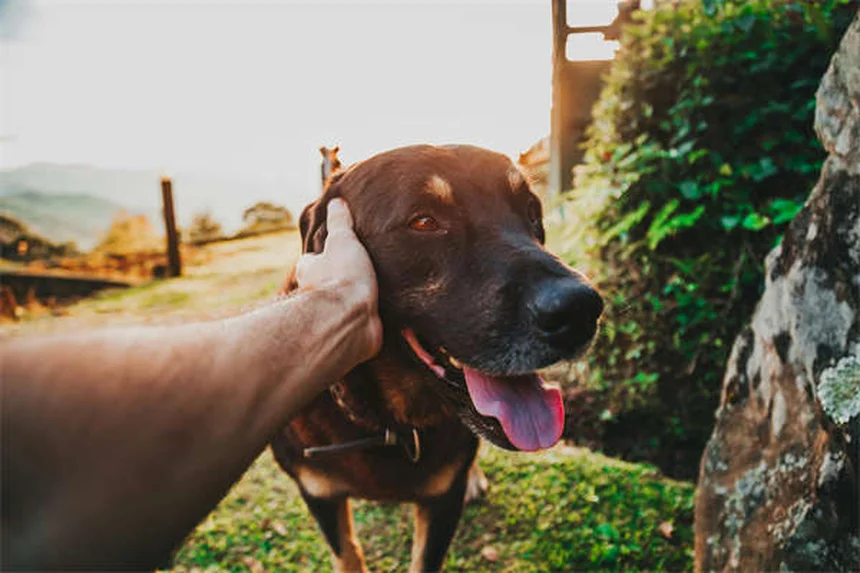 Photos provided by pixabay
Making Snow Less Scary
Remember when you were a kid and snow meant playtime? We need to help our dogs feel that way too! Start by clearing a small path to their usual potty area. I use a cheap plastic shovel from the dollar store - works great and doesn't scratch my deck.
Pro tip: Sprinkle some of their old pee spots with warm water to melt the snow. The familiar smell will help them recognize it's bathroom time, not arctic expedition time!
Rainy Day Solutions
Ever tried peeing while someone sprays you with a hose? That's basically what rain feels like to dogs! Here's what works for my crew:
- Set up a pop-up canopy over part of their potty area
- Use cedar chips to create a dry surface
- Keep an old umbrella by the door for quick coverage
Dressing for Success
Winter Wardrobe Essentials
Would you go outside in a t-shirt during a snowstorm? Neither should your dog! But here's the funny thing - some dogs hate clothes more than they hate cold. My friend's Pug once rolled around like a breakdancer trying to remove his sweater!
Start with these basics:
- Waterproof jacket for rainy days
- Insulated vest for cold weather
- Booties (if they'll tolerate them)
- Ear warmers for thin-coated breeds
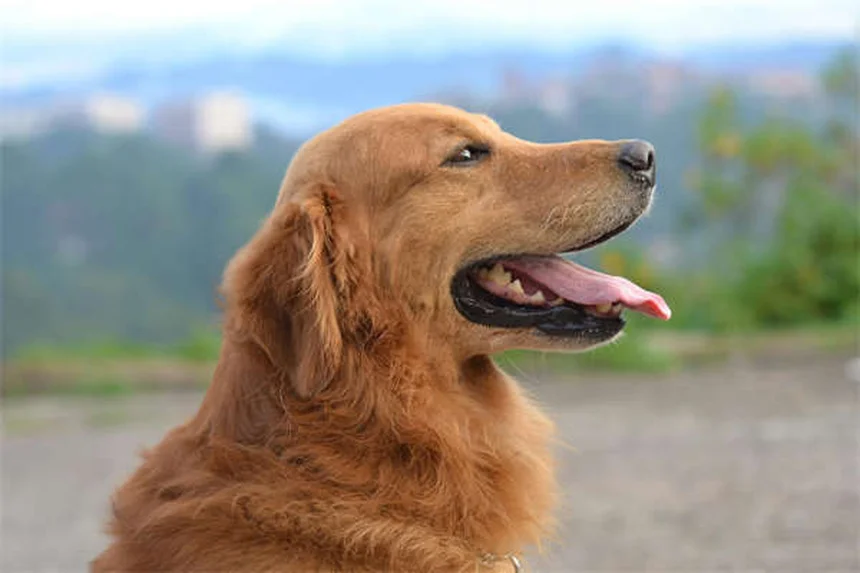 Photos provided by pixabay
Making Snow Less Scary
Why do most dogs walk like they're on hot coals when wearing boots? It's simple - they've spent their whole lives feeling the ground directly! Here's my foolproof boot training method:
Day 1: Let them sniff the boots while giving treats
Day 2: Put on one boot for 30 seconds
Day 3: Try two boots for 1 minute
...and so on until all four are on!
Making Potty Time Fun
The Power of Positive Reinforcement
Ever notice how dogs will do anything for that one special treat? This is your secret weapon! Keep "potty treats" that they only get after successful outdoor bathroom breaks. My dog's current favorite? Freeze-dried liver - she'd climb Everest for that stuff!
But here's the key - give the treat immediately after they finish. I mean before they even shake off! This creates a clear connection in their mind: "Bad weather potty = amazing rewards."
What Not to Do
Can you blame them for not wanting to go? Imagine if someone dragged you outside in your pajamas during a thunderstorm just to use the bathroom! Here are common mistakes we all make:
- Getting frustrated (they sense your mood)
- Rushing them (potty time isn't a race)
- Forgetting to praise (even if it took 20 minutes)
Special Considerations for Different Dogs
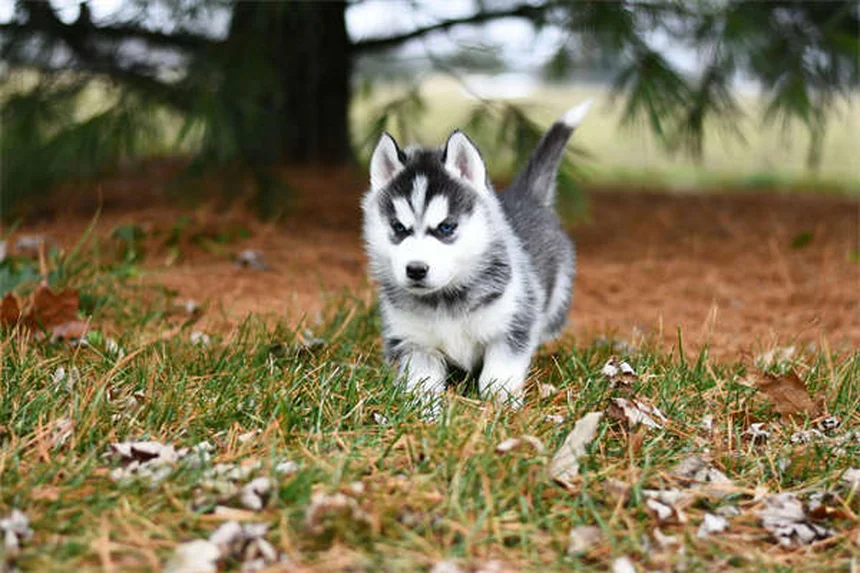 Photos provided by pixabay
Making Snow Less Scary
Why do puppies struggle more in bad weather? Simple - everything is new to them! A rainy day might as well be an alien planet. I remember fostering a puppy who thought falling snowflakes were attacking him - hilarious but challenging!
For puppies, try these extra steps:
- Use puppy pads near the door as a backup
- Take them out more frequently
- Keep sessions short but positive
Senior Dog Solutions
Older dogs have special needs when it's cold or wet. Arthritis acts up, their circulation isn't as good, and they just don't have the patience they used to. My 12-year-old Lab mix gives me this look like "Really? You expect me to go out in that?"
For senior pups:
- Consider a covered potty area
- Use ramps instead of stairs if icy
- Massage their legs before going out
- Try belly bands for male dogs
Emergency Situations
When They Absolutely Won't Go
What if your dog hasn't gone in over 12 hours? First, don't panic. I've been there - pacing around at 2 AM while my dog stares at me like I'm crazy for wanting him to pee in a blizzard!
Try these last-resort options:
| Situation | Solution |
|---|---|
| Extreme cold | Use indoor pee pads temporarily |
| Heavy rain | Try a covered patio or garage |
| Ice storm | Clear a small area with warm water |
Knowing When to Call the Vet
How long is too long to hold it? While most healthy dogs can manage 10-12 hours, anything beyond that warrants concern. Watch for these red flags:
- Whining or obvious discomfort
- Attempting to go but nothing comes out
- Loss of appetite
- Lethargy
Long-Term Training Strategies
Building All-Weather Habits
The secret isn't just surviving one storm - it's creating habits that last all winter! I started training my dog in September, and by December she was trotting out in snow like it was nothing.
Here's the training schedule that worked for us:
Week 1-2: Short sessions with heavy rewards
Week 3-4: Gradually increase exposure
Week 5-6: Reduce treats but keep praise
Week 7+: Maintenance mode!
Making It a Game
Who says potty training has to be boring? Turn it into fun with these ideas:
- Hide treats in the snow for them to find
- Use a special "potty song" they associate with going
- Bring their favorite toy outside sometimes
Remember, every dog is different. What works for my goofball might not work for your princess. But with patience and creativity, you'll both survive potty season in style!
Understanding Canine Sensory Overload
More Than Just Cold Paws
You know that feeling when you step barefoot on a cold tile floor? Multiply that by ten, and you'll understand why Fido hesitates at the door. Dogs experience weather extremes more intensely because their senses are tuned differently than ours. Their noses detect moisture levels we can't perceive, and their ears pick up wind sounds that make them uneasy.
Here's something fascinating - rain doesn't just feel wet to dogs, it actually smells different to them. When water hits the ground, it releases petrichor (that earthy rain smell), which can overwhelm their sensitive noses. No wonder they act like you're asking them to walk through a perfume factory!
The Hidden Dangers We Often Miss
Ever notice how your dog licks their paws after coming inside? That's not just drying off - they're checking for road salt and chemical deicers that can burn their pads. I learned this the hard way when my terrier started limping after winter walks. Now I always rinse his feet with warm water when we come inside.
Here's a quick comparison of common winter hazards:
| Hazard | Risk Level | Prevention Tip |
|---|---|---|
| Rock Salt | High | Use pet-safe deicer |
| Antifreeze | Extreme | Wipe paws immediately |
| Ice Balls | Medium | Trim paw fur regularly |
Creative Indoor Solutions
When Outside Just Isn't Happening
Remember that viral video of the dog using a human toilet? While we don't expect that level of genius, there are practical alternatives. I set up a grass patch on my balcony for emergencies - my dog took to it surprisingly fast once he realized it meant staying dry!
For apartment dwellers or extreme weather days, consider these options:
- Artificial grass mats with drainage
- Portable dog litter boxes
- Pee pads with attractant spray
- Designated shower area (easy cleanup!)
Training for Indoor Options
Why do dogs resist indoor potty spots at first? Because we've spent months teaching them not to go inside! The key is making the new spot distinctly different from your floors. I used a different textured mat and always placed it in the same corner - consistency is everything.
Here's my step-by-step transition plan:
1. Start with the indoor spot near the door
2. Gradually move it to your preferred location
3. Use a command like "go potty" consistently
4. Reward heavily for correct usage
5. Clean accidents thoroughly with enzyme cleaner
Weather-Proofing Your Routine
Timing Is Everything
Did you know dogs have internal weather radars? Mine certainly does - he'll suddenly demand to go out five minutes before a downpour starts! While we can't match their instincts, we can work with weather forecasts to plan potty breaks around storms.
I keep a free weather app just for dog walks. The radar feature shows exactly when rain will start/stop, so we can sneak out during dry windows. Pro tip: Morning dew counts as "bad weather" to many dogs - try waiting an extra hour if yours refuses to go.
Creating a Cozy Return
What's the first thing your dog does after a wet potty break? If they're like mine, they zoom around the house rubbing on everything! This is why I keep super-absorbent towels by the door - the quicker you dry them, the less mess they'll make.
My post-potty routine includes:
- Microfiber towel dry (especially paws)
- Quick brush to remove snow/ice
- Special "after rain" treat
- Access to their favorite warm spot
Psychological Factors We Often Overlook
The Fear of Missing Out
Ever wonder why your dog stares longingly outside after refusing to go? They might be experiencing FOMO! Dogs associate outdoor time with fun activities, so when bad weather limits playtime, they subconsciously delay potty breaks to extend their outside time.
I combat this by separating "business" from "pleasure":
- Use a plain leash for quick potty trips
- Save the fun walks for better weather
- Keep commands distinct ("go potty" vs "let's walk")
- Sometimes do a quick indoor play session after
Past Trauma You Might Not Know About
Why does thunder make some dogs hide while others don't care? Negative associations stick with dogs longer than we realize. That one time your pup slipped on ice might explain why they now hesitate in snow. I worked with a rescue who'd been caught in a flood - it took months to convince him rain wasn't dangerous.
Rebuilding confidence takes:
- Patience (no forcing or frustration)
- Positive reinforcement (treats/praise)
- Gradual exposure (start with light drizzle)
- Your calm energy (they mirror your emotions)
Gear That Actually Works
Beyond Basic Dog Coats
Think all dog raincoats are created equal? Think again! After testing seven brands, I learned fit matters more than price. A poorly fitted coat can restrict movement or create uncomfortable pressure points. My current favorite has a velcro belly strap and adjustable neck - worth every penny.
Must-have features for functional dog gear:
| Feature | Why It Matters |
|---|---|
| Waterproof Back | Keeps rain from soaking through |
| Reflective Strips | Visibility in dark/wet conditions |
| Easy On/Off | Less struggle means less stress |
The Truth About Dog Boots
Are boots really necessary? That depends! For most dogs, they're overkill unless walking on salted roads or extreme cold. But for sensitive pups or urban environments, they can be game-changers. My friend's city dog went from refusing walks to prancing proudly in his new boots - the difference was night and day.
When selecting boots:
- Measure paw width AND length
- Look for non-slip soles
- Choose breathable materials
- Practice indoors first
When to Break the Rules
Exceptions to Outdoor Potty Training
Ever had one of those days where even you don't want to go outside? Sometimes, it's okay to bend the rules for your dog's comfort. During last year's polar vortex, I temporarily moved my senior dog to pee pads - no regrets! Your dog won't become untrained from occasional exceptions, especially if you maintain the routine afterward.
Reasonable exceptions include:
- Extreme weather warnings
- Post-surgery recovery
- Puppies under 12 weeks
- Elderly or ill dogs
- Natural disasters
Reading Your Dog's Signals
How can you tell when it's a genuine emergency versus just stubbornness? Watch their body language closely. My dog does a specific "potty dance" when it's urgent versus his usual stalling behavior. Learning these subtle cues saves everyone stress.
Urgent signs include:
- Circling while sniffing intensely
- Whining while pacing
- Suddenly sitting by the door
- Restlessness during sleep time
E.g. :[Help] First Snow Storm with Small Dog - How to Handle Bathroom ...
FAQs
Q: Why do dogs refuse to pee in snow or rain?
A: Dogs avoid bathroom breaks in bad weather for several physical and psychological reasons. First, their paws are extremely sensitive to temperature changes - walking on snow or ice feels like us walking barefoot on freezing concrete! Smaller breeds like Chihuahuas have an especially hard time because their bodies lose heat faster. Second, heavy rain or snow completely changes the familiar smells and textures they associate with their bathroom spot. Imagine if your toilet suddenly became a slippery, freezing, unfamiliar place - you'd probably hold it too! As dog trainers, we recommend gradually acclimating your pup to different weather conditions starting from puppyhood.
Q: How can I make my dog more comfortable peeing in winter?
A: Creating a winter-friendly bathroom area is easier than you think. Start by shoveling a small patch where your dog normally goes - the familiar smell will help. For small dogs, I suggest laying down cedar chips or straw to insulate their paws from the cold ground. Dog boots work wonders if your pup will tolerate them (try our 7-day boot training method mentioned in the article). And don't forget a warm jacket for short-haired breeds! My pro tip? Keep potty sessions brief but rewarding - the quicker they do their business, the faster they get back inside to warmth.
Q: What's the best way to reward a dog for peeing in bad weather?
A: Timing and treat selection are everything when weather-proofing your dog's potty habits. We recommend using ultra-high-value treats that your dog ONLY gets for successful outdoor bathroom breaks - think real meat or special dog cookies. The key is rewarding immediately after they finish, while still outside. I keep these treats in a waterproof container by the door. For my dog, freeze-dried liver works like magic! Remember to pair treats with enthusiastic praise - your excitement tells them they've done something extraordinary by braving the elements.
Q: How long can dogs safely hold their pee in cold weather?
A: While healthy adult dogs can typically hold it for 10-12 hours, we never recommend making them wait this long regularly. Puppies, seniors, and small breeds often need more frequent bathroom breaks regardless of weather. If your dog hasn't gone in over 12 hours (and refuses to go outside), try creating an indoor potty area with pee pads or artificial grass. Watch for signs of distress like whining or circling - these mean it's time for emergency measures. When in doubt, consult your vet - urinary tract infections can develop from holding it too long.
Q: Are some dog breeds better at handling bad weather potty breaks?
A: Absolutely! Northern breeds like Huskies and Malamutes practically thrive in snow, while short-haired dogs like Greyhounds struggle. Here's a quick guide: snow-loving breeds often need booties to prevent ice buildup between their toes, while tiny dogs may need full-body coats. My friend's Saint Bernard? He'll lounge in a blizzard! But remember - every dog can learn to handle bad weather with proper training. The secret is starting slow, making it positive, and being consistent. Even the most weather-averse pup can become a storm-proof potty champion with patience!