
Is Halloween candy dangerous for dogs? The answer is absolutely yes! Halloween candy can be extremely toxic to your furry friend, with some types potentially causing life-threatening conditions. As a dog owner myself, I've seen firsthand how quickly candy can turn a fun holiday into a veterinary emergency. Chocolate contains theobromine which dogs can't metabolize, while xylitol (found in sugar-free candies) can cause deadly blood sugar drops. Even safe candies like candy corn can lead to painful pancreatitis. Bottom line: no matter how much your pup begs, keep that Halloween candy bowl far out of reach!
E.g. :Can Dogs Use Human Nasal Spray? Vet-Approved Advice
- 1、Why Halloween Candy is a Nightmare for Dogs
- 2、The Hidden Dangers in Common Candies
- 3、Physical Hazards You Might Not Consider
- 4、What To Do If The Worst Happens
- 5、Creating a Safe Halloween Environment
- 6、The Science Behind Dogs and Sugar
- 7、Halloween Safety Beyond Candy
- 8、Creating Positive Halloween Experiences
- 9、The Bigger Picture of Pet Safety
- 10、Final Thoughts on Responsible Pet Ownership
- 11、FAQs
Why Halloween Candy is a Nightmare for Dogs
Picture this: your dog gives you those big puppy eyes while you're munching on Halloween candy. Resist the temptation! While we humans enjoy these sweet treats, they're basically poison for our furry friends. Let me break down why you should keep that candy bowl far away from Fido.
The Chocolate Crisis
Chocolate is like kryptonite for dogs - and it's everywhere during Halloween. The darker the chocolate, the more dangerous it becomes. Here's a quick comparison to show why:
| Chocolate Type | Toxicity Level | Danger Amount for 20lb Dog |
|---|---|---|
| Milk Chocolate | Mild | 1 ounce per pound of body weight |
| Dark Chocolate | Moderate | 0.5 ounce per pound |
| Baker's Chocolate | Severe | 0.1 ounce per pound |
Did you know that just two ounces of baker's chocolate could send a small dog to the emergency vet? The chemicals in chocolate - theobromine and caffeine - hit dogs way harder than humans because their bodies can't process them effectively.
Double Trouble: Chocolate-Covered Raisins
If chocolate is bad, chocolate-covered raisins are like a double whammy of danger. Some dogs react terribly to even a single raisin - we're talking kidney failure here. The scary part? We don't even know why some dogs have this extreme reaction.
Last Halloween, my neighbor's beagle got into some chocolate-covered raisins. Within hours, poor Max was vomiting and couldn't stop drinking water. $800 in vet bills later, he recovered - but it could have been much worse.
The Hidden Dangers in Common Candies
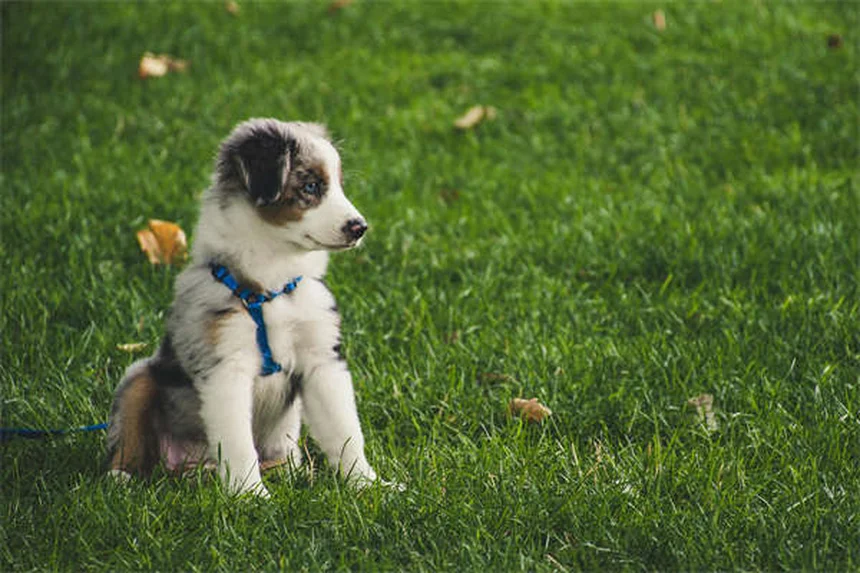 Photos provided by pixabay
Hard Candies: More Than Just a Choking Hazard
Those innocent-looking hard candies? They're sneaky dangerous. Sugar-free varieties often contain xylitol - an artificial sweetener that's deadly to dogs. Just one piece of xylitol candy can cause:
- Severe blood sugar drops
- Seizures
- Liver failure
And here's something you might not think about - when hard candies get wet from saliva, they become slippery hazards that can block your dog's windpipe. Not exactly the Halloween surprise you want to give your pup!
Candy Corn: The Sugar Bomb
While not technically toxic, candy corn is like dumping a bag of sugar directly into your dog's system. The aftermath isn't pretty:
Imagine your dog's digestive tract as a delicate ecosystem. Now picture dumping a truckload of sugar into it. That's essentially what happens with candy corn. The sugar overload can lead to pancreatitis - a painful, potentially fatal inflammation of the pancreas.
I'll never forget when my friend's golden retriever got into a bowl of candy corn. Two days of diarrhea later (and one very traumatized carpet), they learned their lesson about keeping sweets out of reach.
Physical Hazards You Might Not Consider
Lollipops: The Triple Threat
Lollipops combine all the worst candy dangers into one convenient package:
- Choking hazard from the stick
- Sugar overload from the candy
- Potential xylitol content
Ever seen a dog try to eat a lollipop? It's not pretty. The stick can splinter and cause internal damage, while the candy part presents all the usual risks we've discussed.
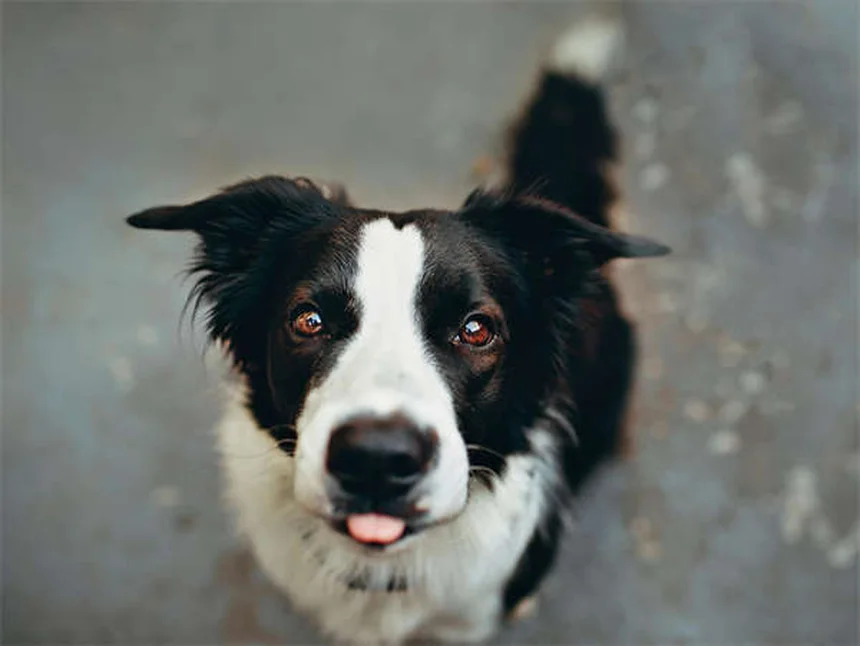 Photos provided by pixabay
Hard Candies: More Than Just a Choking Hazard
Here's something most people don't think about - the wrappers! Dogs don't bother unwrapping candy before eating it. Those shiny wrappers can:
- Cause intestinal blockages
- Lead to emergency surgery
- Create painful inflammation
Last year, emergency vets saw a 37% increase in wrapper-related incidents during Halloween week. That's a lot of unhappy pups and stressed-out owners!
What To Do If The Worst Happens
Emergency Action Plan
If your dog gets into Halloween candy, don't panic - but act fast. Here's your step-by-step guide:
First, assess what and how much they ate. Grab any remaining wrappers or candy as evidence. Then immediately call your vet or the ASPCA Poison Control hotline (888-426-4435). Be ready to provide:
- Your dog's weight
- The type of candy ingested
- Approximate amount eaten
- When it happened
Remember: never induce vomiting unless specifically instructed by a professional. Some substances can cause more damage coming back up.
Prevention is Better Than Treatment
Why risk an emergency vet visit when you can prevent the problem? Here are some pro tips:
Store all candy in sealed containers up high - dogs can be surprisingly resourceful when motivated by sugar! Consider creating a "dog-free zone" for candy storage during Halloween week.
Better yet, why not make some dog-friendly treats instead? There are tons of simple recipes using peanut butter, pumpkin, and other safe ingredients. Your pup will love their special Halloween surprise!
Creating a Safe Halloween Environment
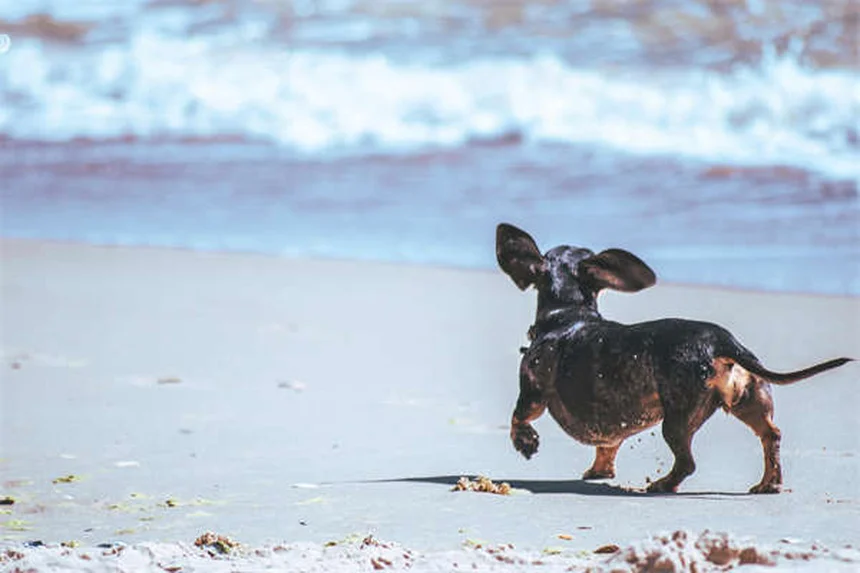 Photos provided by pixabay
Hard Candies: More Than Just a Choking Hazard
Halloween should be fun for everyone - including your four-legged family members. Here's how to keep them safe:
Designate a quiet room for your pet during trick-or-treat hours. The constant doorbell ringing and strangers in costumes can stress out even the calmest dogs.
Make sure your pet's ID tags are current in case they slip out the door during the Halloween chaos. Better safe than sorry!
Alternative Treat Ideas
Want to include your dog in the Halloween fun? Try these safe alternatives:
- Frozen pumpkin cubes
- Carrot sticks
- Special dog treats shaped like ghosts or pumpkins
- Homemade peanut butter cookies
Remember: while we might crave chocolate, our dogs will be just as happy with these healthier options. Plus, you'll avoid those middle-of-the-night emergency vet visits!
So this Halloween, keep the candy for the humans and spoil your pup with something made just for them. Your wallet - and your dog's digestive system - will thank you!
The Science Behind Dogs and Sugar
How Dogs Process Sugar Differently
Ever wonder why dogs can't handle sugar like we do? Their digestive systems simply aren't built for it. While humans have evolved to process sweet treats, dogs still have the digestive tract of their carnivorous ancestors.
Here's the fascinating part - dogs actually have fewer taste buds for sweetness than humans. They only have about 1,700 taste buds compared to our 9,000! This means they don't even appreciate sugar the way we do. So when you're tempted to share your candy, remember - your dog would be just as happy with a piece of chicken!
The Blood Sugar Rollercoaster
When dogs consume sugar, their bodies go through wild fluctuations that can be downright dangerous. Unlike humans who can regulate blood sugar relatively well, dogs experience:
- Sudden spikes in insulin production
- Crashing energy levels shortly after
- Potential long-term damage to pancreatic function
I once fostered a diabetic dog who had developed the condition after years of sneaking sweets. Watching him struggle with insulin injections really drove home how serious sugar can be for our canine companions.
Halloween Safety Beyond Candy
Costume Considerations for Dogs
While we're focusing on candy dangers, let's not forget about costumes! Dressing up your pup might seem fun, but have you considered how stressful it can be for them?
Many dogs feel restricted or overheated in costumes. The constant rustling sound of fabric can trigger anxiety. And those adorable little accessories? Major choking hazards if they come loose. If you absolutely must dress up your dog, keep it simple - maybe just a festive bandana that won't restrict movement.
The Scary Side of Decorations
Glow sticks might light up your Halloween night, but they're toxic when chewed. Fake cobwebs can cause intestinal blockages if ingested. And those flickering candles? A serious burn risk for curious noses.
Last year, my cousin's Labrador swallowed part of a glow necklace. The emergency vet visit cost nearly $500, and poor Bailey had to endure stomach pumping. Now they stick to battery-operated LED decorations placed well out of reach.
Creating Positive Halloween Experiences
Dog-Friendly Halloween Activities
Who says Halloween has to be all about candy? There are plenty of ways to include your dog safely:
Organize a dog costume parade at your local park (with simple, safe costumes). Host a pumpkin carving party where dogs can enjoy roasted pumpkin seeds (plain, of course!). Or create an indoor scavenger hunt using your dog's favorite toys instead of candy.
My neighborhood does an annual "Howl-o-ween" event where dogs can show off their costumes while owners enjoy cider. It's become more popular than traditional trick-or-treating for many families!
Training for the Big Night
Did you know you can prepare your dog for Halloween chaos? Start practicing weeks in advance with these simple steps:
Play recordings of doorbells and children's voices at low volume, gradually increasing it while rewarding calm behavior. Practice having your dog go to their "safe spot" when the door opens. And teach a solid "leave it" command for any candy that might hit the floor.
It took about three weeks of training, but now my terrier mix stays calmly on her bed when trick-or-treaters arrive instead of rushing the door. The peace of mind is worth every minute of training!
The Bigger Picture of Pet Safety
Why Holidays Spike Vet Visits
Halloween isn't the only risky holiday for pets. Thanksgiving brings bones and fatty foods. Christmas has toxic plants and electrical cords. Easter means chocolate bunnies and plastic grass.
Veterinary emergency clinics report a 30-40% increase in cases during major holidays. The common thread? Well-meaning owners sharing holiday treats without realizing the dangers. Being aware is half the battle!
Building a Pet First Aid Kit
While prevention is best, being prepared for emergencies is crucial. Your pet first aid kit should include:
| Item | Purpose |
|---|---|
| Hydrogen peroxide | For inducing vomiting (only when directed by vet) |
| Activated charcoal | To absorb toxins |
| Digital thermometer | To check for fever |
| Gauze pads | For wrapping wounds |
Keep your vet's number and the ASPCA poison control hotline (888-426-4435) programmed into your phone. In an emergency, you won't want to waste time searching for contacts!
Final Thoughts on Responsible Pet Ownership
The Joy of Healthy Treat Alternatives
Once you discover how many delicious, safe alternatives exist, you'll never feel guilty about withholding candy again. Frozen blueberries make fantastic training treats. Dehydrated sweet potato slices satisfy the chew instinct. And plain popcorn (no butter or salt) is a crowd-pleaser.
My dogs actually prefer their homemade pumpkin biscuits over any candy they've ever sniffed. Watching their tails wag when I pull out the treat jar reminds me that health and happiness go hand in paw.
Educating Others About Pet Safety
Now that you're armed with knowledge, share it! Many well-intentioned people simply don't realize the dangers of sharing human food with pets.
When friends visit with their dogs, I keep a bowl of dog-friendly treats by the door. It prevents awkward moments when they want to share snacks, and introduces them to healthier options. Spreading awareness can prevent countless emergency vet visits!
E.g. :6 Dangerous Halloween Candies for Dogs | PetMD
FAQs
Q: What makes chocolate so dangerous for dogs?
A: Chocolate is toxic to dogs because it contains theobromine and caffeine - two stimulants that dogs process much slower than humans. The darker the chocolate, the more dangerous it is. For example, just two ounces of baker's chocolate could be lethal to a small dog. Symptoms of chocolate poisoning include vomiting, diarrhea, rapid breathing, and even seizures. If your dog eats chocolate, don't wait for symptoms - call your vet immediately with details about the type and amount consumed, plus your dog's weight.
Q: Can dogs eat candy corn or other sugary treats?
A: While candy corn isn't technically toxic like chocolate, it's still terrible for dogs. The massive sugar overload can cause severe digestive upset, pancreatitis (a painful and potentially fatal inflammation), and contribute to obesity. I've seen dogs who ate candy corn suffer through days of diarrhea and discomfort. If your large dog eats less than 2 teaspoons, they'll probably be okay - but why risk it? There are much safer ways to treat your pup during Halloween.
Q: Why are sugar-free candies especially dangerous?
A: Sugar-free candies often contain xylitol, an artificial sweetener that's extremely toxic to dogs. Even small amounts can cause a rapid drop in blood sugar leading to seizures, liver failure, or death. What's scary is that just one piece of xylitol-containing gum or candy could poison a medium-sized dog. Symptoms appear quickly - within 30 minutes to 12 hours - so immediate veterinary care is crucial if you suspect xylitol ingestion.
Q: What should I do if my dog eats Halloween candy?
A: First, stay calm but act fast! Identify what and how much they ate, then call your vet or the ASPCA Poison Control (888-426-4435). Be ready to provide your dog's weight and candy details. Important: never induce vomiting unless instructed by a professional. Some candies can cause more damage coming back up. While waiting for help, keep your dog quiet and comfortable. Prevention is always best - store candy securely and consider pet-safe treat alternatives.
Q: Are candy wrappers dangerous too?
A: Absolutely! Many dogs eat candy with the wrapper, which can cause serious intestinal blockages requiring surgery. Wrappers don't digest and can ball up in the stomach or intestines. Symptoms include vomiting, loss of appetite, and abdominal pain. Last Halloween, emergency vets saw a 37% increase in wrapper-related cases. If your dog eats wrapped candy, tell your vet about the wrappers too - they're often more dangerous than the candy itself!